The Perfect Sugar Cookie Is Easier Than You Think
Simple pantry staples, one bowl of technique know-how, and 30 minutes — that's all standing between you and the best sugar cookie you've ever pulled from your own oven.
 Dowell Cooks6 min readPrint this post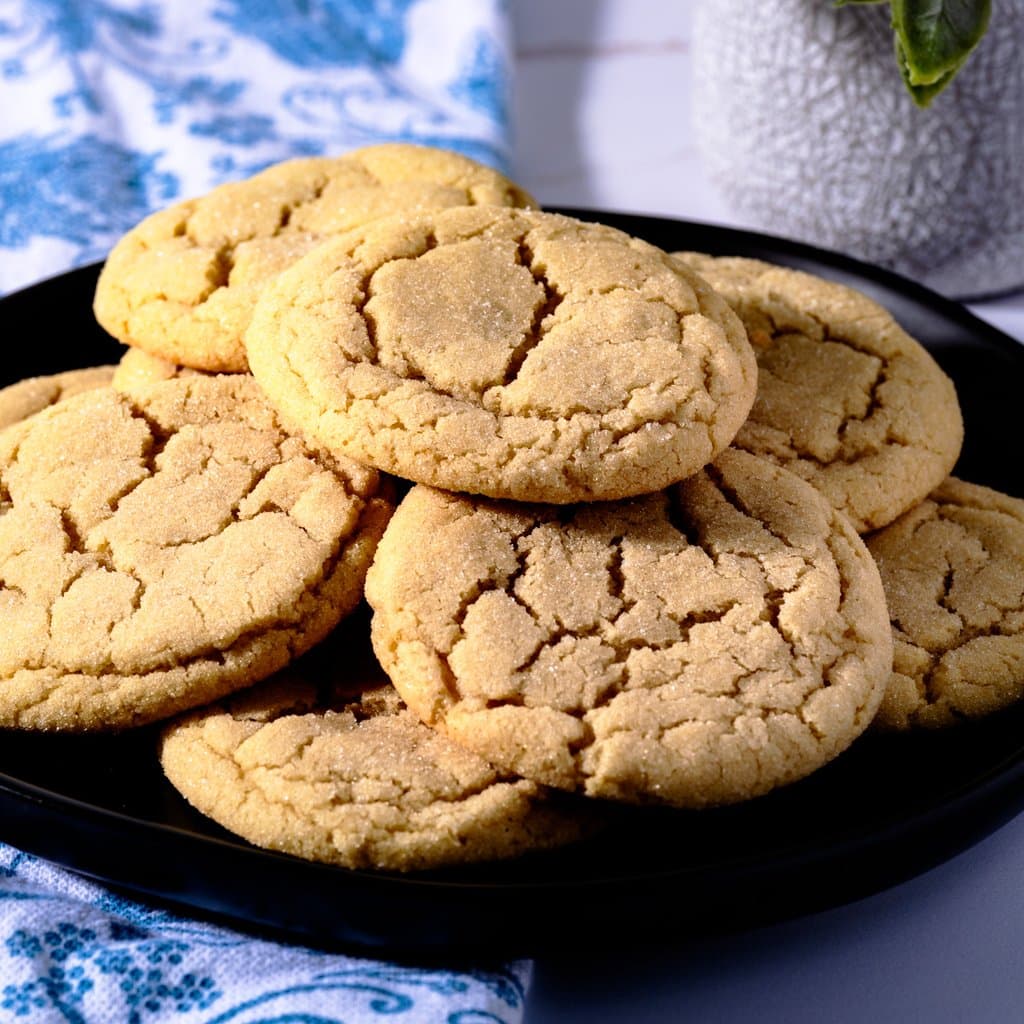
Simple ingredients, delicious cookies — that's the whole game. No fuss, all flavor.
Hey, welcome! If there's one recipe that belongs in every home cook's back pocket, it's a great sugar cookie. Not the kind from a tube, not the kind that requires a stand mixer and three hours — the kind you can throw together on a weeknight with stuff already in your pantry. That's exactly what this is. I'm talking butter, sugar, flour, one egg, and a splash of vanilla. Done in under 30 minutes, start to finish. The secret isn't some fancy technique — it's just knowing a couple of small things that make a big difference. And I'm going to walk you through all of it.
Why This Recipe Works Every Time
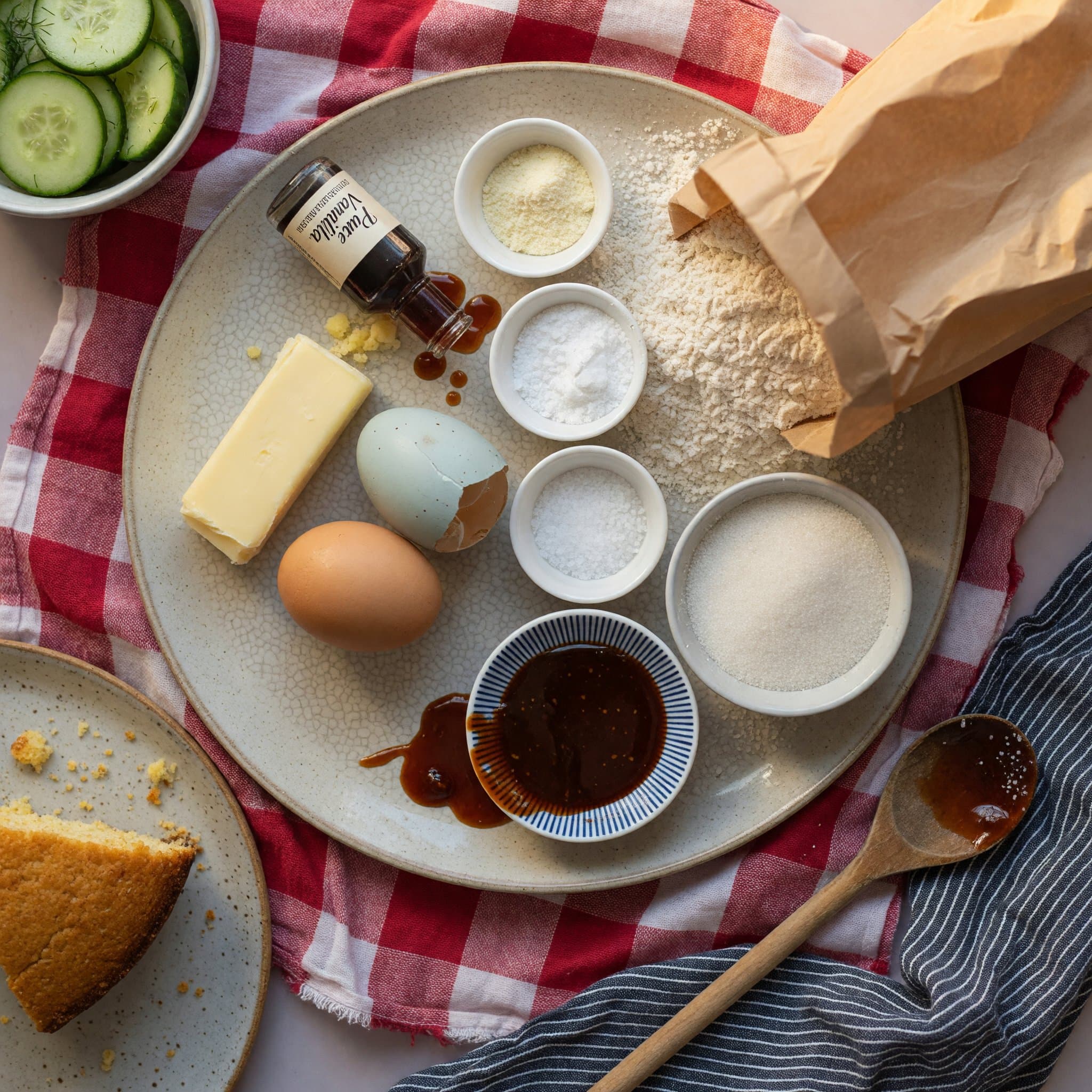
Sugar cookies have this reputation for being fussy — like they're secretly hard or something. But honestly? They're one of the most forgiving bakes out there once you understand what's actually happening in the dough. The butter does the heavy lifting: it builds structure, carries flavor, and controls how much the cookies spread. Vanilla isn't just there for fragrance — it genuinely deepens and amplifies the buttery richness in a way that makes the whole cookie taste more complex than its short ingredient list suggests. And that little pinch of salt? Don't skip it. Salt quiets any bitterness from the leaveners and makes the sweetness from the sugar taste cleaner and brighter. It's the kind of small detail that separates a good cookie from a great one.
The Creaming Step: Don't Rush It
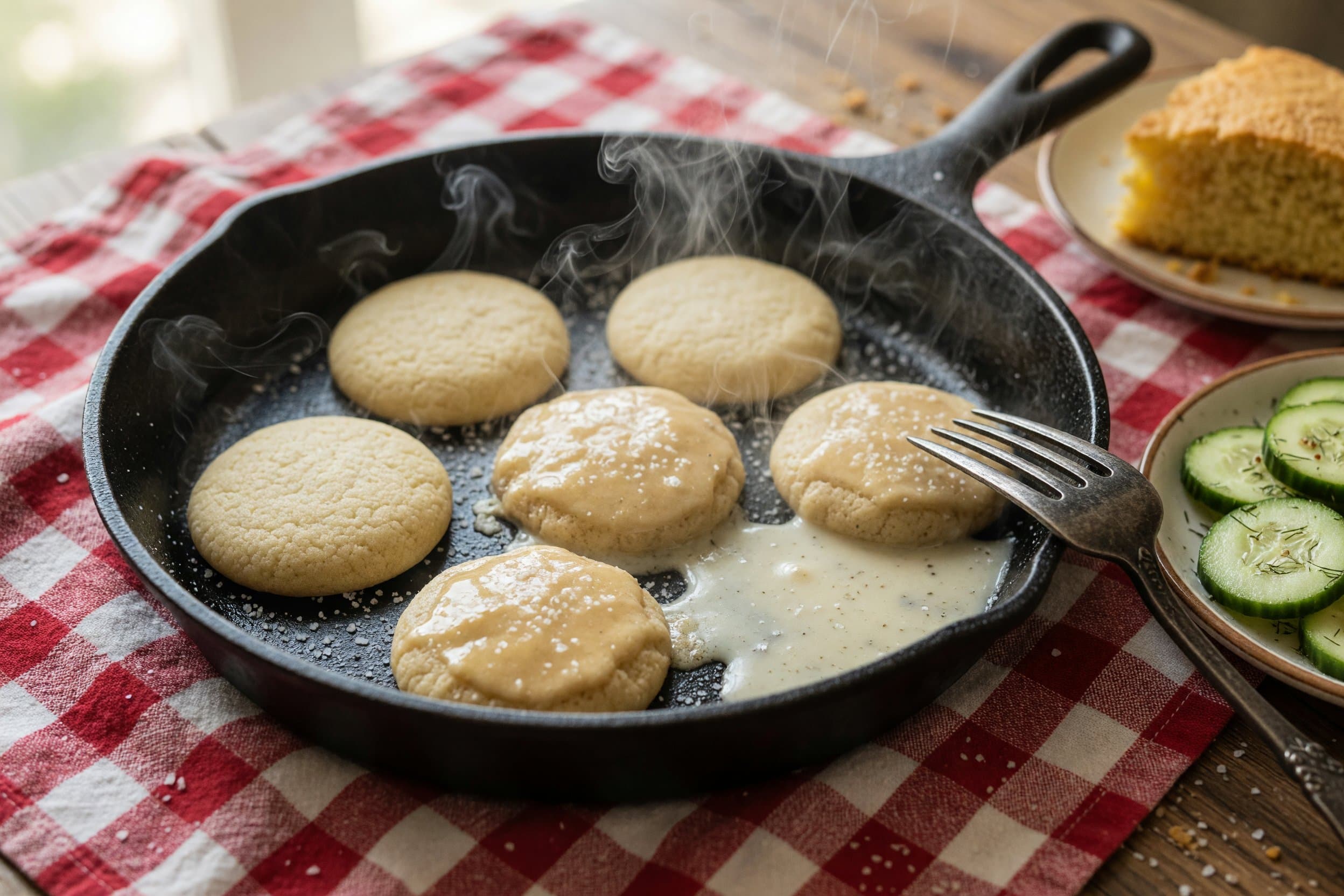
Here's the one step most people blow past: creaming the butter and sugar. You want to go for a full 2 to 3 minutes until the mixture looks noticeably lighter in color and feels fluffy. Under-cream it and your cookies come out dense. Over-soften the butter beforehand — like if it's greasy and shiny rather than just pliable — and the cookies will spread flat in the oven. Cool room temperature is the sweet spot. Once you add the egg and vanilla, mix just until combined, then fold the flour in gently. The moment you see no more dry streaks, stop. Overworking the dough once the flour is in toughens the cookies, and we're not here for tough cookies.
Pull Them Early — Seriously
The single most common sugar cookie mistake is overbaking. When you pull them from the oven, the centers should still look a little underdone — soft, matte, maybe even slightly puffed. That's exactly right. The residual heat from the pan finishes the job over the next 5 to 10 minutes as they cool. If you wait until the centers look done in the oven, they'll be dry by the time you eat them. Trust the process, leave them on the pan, and resist the urge to move them too soon.
25 minutes, and you’re ready to cook.
Everything prepped and staged before you start mixing makes this a genuinely quick bake. Here's the order that keeps things smooth.
- Gather EquipmentGather a large mixing bowl, a separate medium bowl, a whisk, a wooden spoon or spatula, measuring cups and spoons, a baking sheet, parchment paper, a wire cooling rack, and a small bowl for rolling the dough.
- Preheat the OvenPreheat your oven to 350°F.
- Measure the Flour and Dry SpicesMeasure 1¾ cups all-purpose flour, ½ teaspoon baking powder, ½ teaspoon baking soda, and ⅛ teaspoon salt. Combine all dry ingredients in a large bowl and whisk together until evenly distributed. Set aside.
- Prepare the Butter and SugarMeasure ½ cup butter (softened to room temperature) and 1 cup granulated sugar. Place both in a separate medium bowl, ready to cream together.
- Prepare the Egg and Vanilla ExtractCrack 1 large egg into a small bowl and measure 1 teaspoon vanilla extract. Set both aside.
- Stage IngredientsArrange your prepped ingredients near the mixing area in order: the bowl with flour and dry spices, the bowl with butter and sugar, the bowl with egg and vanilla extract, and a small bowl with extra granulated sugar for coating the dough balls. Line your baking sheet with parchment paper and place it near the oven.
Use Real Vanilla — It Actually Matters Here
In a recipe with this few ingredients, every one of them has to pull its weight. Vanilla extract is the one place I'd tell you not to cheap out. Imitation vanilla works fine in a heavily spiced cake where it gets buried — but in a simple sugar cookie dough, real vanilla extract has a warmth and depth that imitation just doesn't replicate. The flavor is more rounded, less sharp, and it works in harmony with the butter in a way that makes the whole cookie taste richer. It's a small bottle that lasts forever. Worth it.
Tools for this recipe.
Nothing fancy needed here — just the basics. A couple of bowls, a whisk, a baking sheet, and parchment paper and you're set.
- large mixing bowl
- medium bowl
- small bowl
- whisk
- wooden spoon
- measuring cups
- measuring spoons
- sheet pan
- parchment paper
- wire cooling rack
Make It Your Own
Once you've nailed the base recipe, this dough is a great canvas. Roll the balls in colored sugar instead of plain granulated for a festive look — perfect for holidays or a weekend bake with the kids. A tiny squeeze of lemon zest into the dough adds a bright note that plays really nicely against the butter. You can also press a small thumbprint into each ball before baking and fill it with jam after they come out. Or go full classic and top with a simple buttercream once they're cooled. The base cookie is sturdy enough to hold frosting without getting soggy, which makes it great for entertaining or gifting.
Substitutions that still taste like the recipe.
Need to swap something out? Here are the best flavor-matched alternatives for the three hero ingredients in this dough.
- clotted cream
Shares lactone compounds with butter
- mascarpone
Shares lactone compounds with butter
- cream
Shares lactone compounds with butter
- paneer
Shares lactone compounds with egg
- tempeh
Shares pyrazine compounds with egg
- tofu
Shares pyrazine compounds with egg
- vanilla
Shares phenolic compounds with vanilla extract
- rose water
Shares aldehyde compounds with vanilla extract
- almond extract
Shares aldehyde compounds with vanilla extract
Common questions
Why did my cookies spread flat?
Can I make the dough ahead of time?
Do I need both baking powder AND baking soda?
My cookies came out cakey instead of chewy — what happened?
How do I store leftover cookies?
That's it — the perfect sugar cookie, no stress, no complicated steps, just good food and a warm kitchen. This is exactly the kind of recipe I love sharing: easy enough for a beginner, satisfying enough that you'll make it on repeat. Whether you're baking with your kids on a Saturday afternoon, bringing something to a get-together, or just treating yourself on a Tuesday night (no judgment), this one delivers every single time. Browse all the recipes for more easy wins just like this one — and happy baking!
The Quarterly
Get the next Quarterly from Dowell Cooks
Seasonal recipes, notes, and the issue links worth saving.
Comments