One-Pot Ricotta Mac and Cheese in Under 20 Minutes
No roux, no draining, no drama — just creamy, cheesy mac made entirely in one pot with a ricotta twist that changes everything.
 Dowell Cooks6 min readPrint this post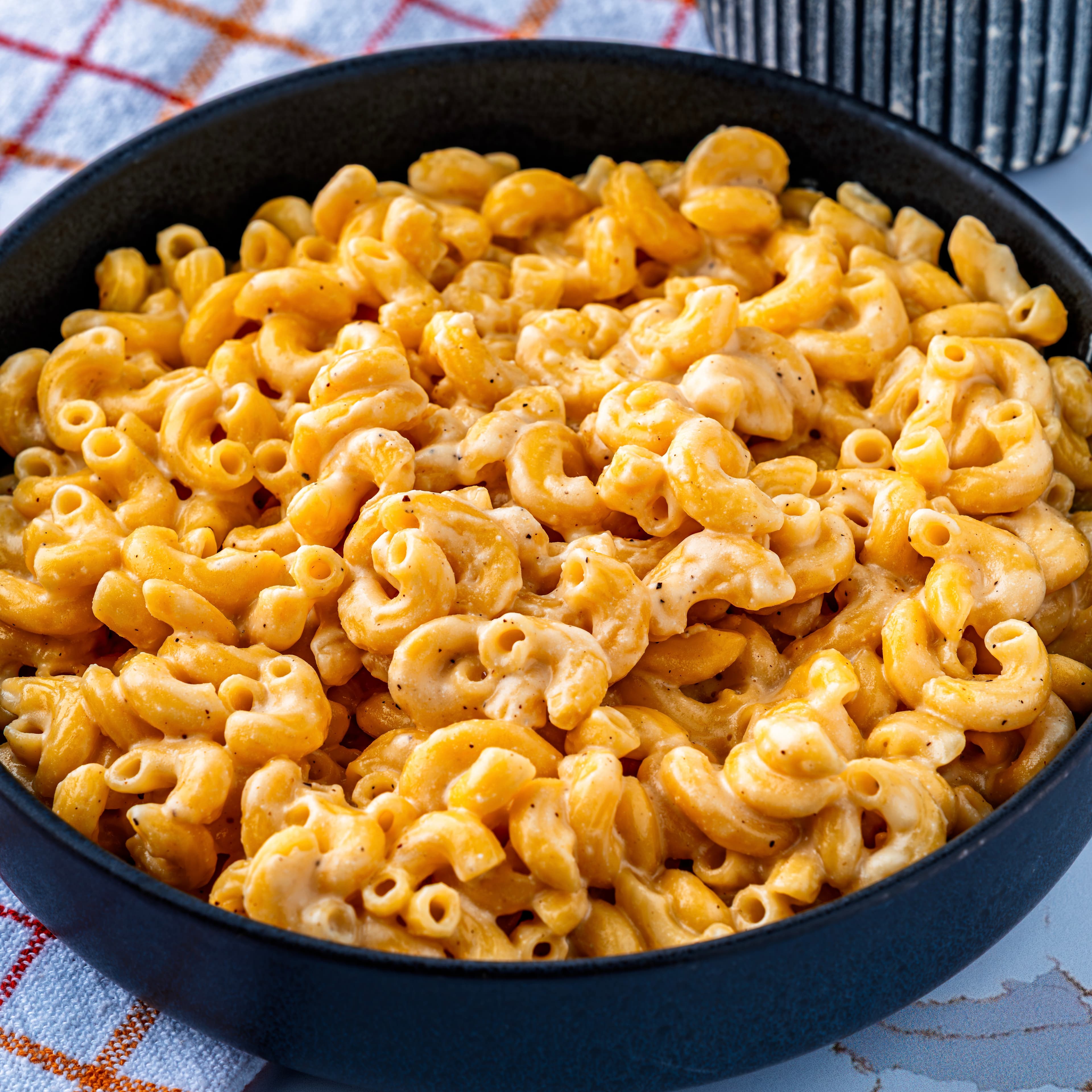
Simple ingredients, delicious meals — that's the whole game.
Hey, welcome back to Dowell Cooks! If you've ever stood over a pot of mac and cheese wondering why you're making a roux on a Tuesday night, this recipe is for you. We're doing things the easy way — one pot, no draining, no butter-and-flour situation — and the secret weapon is ricotta cheese. It melts right into the pasta water and milk to create this silky, slightly sweet sauce that feels way fancier than the effort involved. Big flavor, minimal cleanup, and the whole thing is on the table in about 18 minutes. That's my kind of weeknight dinner.
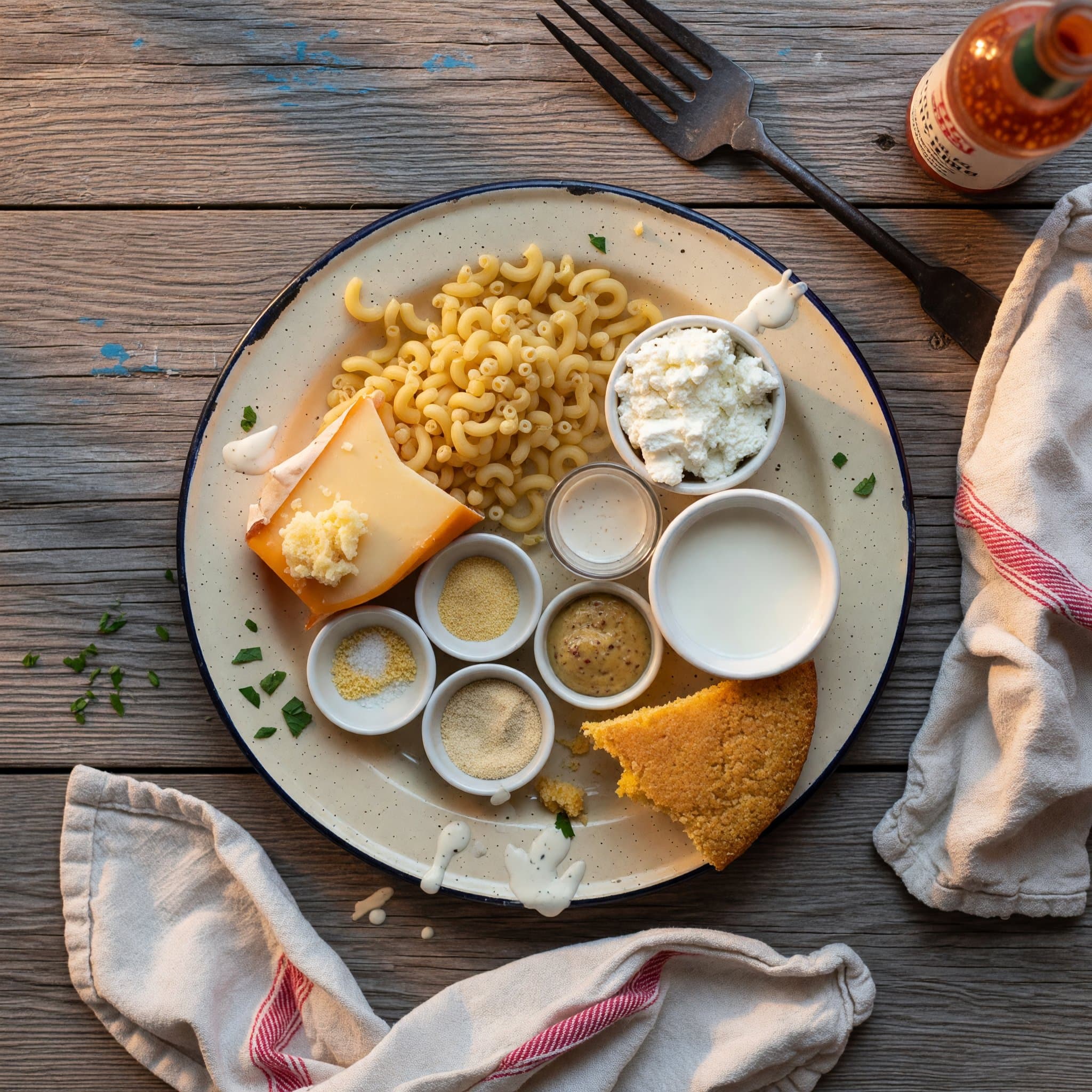
10 minutes, and you’re ready to cook.
Ten minutes of prep and you're ready to cook. Get everything measured and staged near the stove — this one moves fast once the water boils.
- Gather EquipmentGather a large pot or saucepan, a lid, a wooden spoon or heat-resistant spatula for stirring, a measuring cup, measuring spoons, and a grater (if shredding cheddar from a block).
- Measure Water and SaltMeasure 2 cups of water into a measuring cup and measure 1 teaspoon of salt into a small bowl or directly into the pot.
- Prepare Elbow Macaroni PastaOpen the box of elbow macaroni and measure out 8 oz (about 2 cups dry pasta). Place in a small bowl near the stove.
- Measure MilkMeasure ¼ cup of milk into a small measuring cup or bowl.
- Measure Ricotta CheeseMeasure ⅔ cup of ricotta cheese into a small bowl.
- Prepare Cheddar CheeseIf using a block of cheddar, grate 1¼ cups on the large holes of a box grater. If using pre-shredded cheddar, measure out 1¼ cups into a small bowl.
- Measure Spices and MustardMeasure 1 teaspoon Dijon mustard, ½ teaspoon garlic powder, ½ teaspoon onion powder, and ¼ teaspoon paprika into a small bowl.
- Stage IngredientsArrange all prepped ingredients near the stove in order of use: water and salt by the pot, pasta nearby, then milk, ricotta, spice mixture, and shredded cheddar in the order they'll be added.
Why Ricotta Works (and What to Watch Out For)
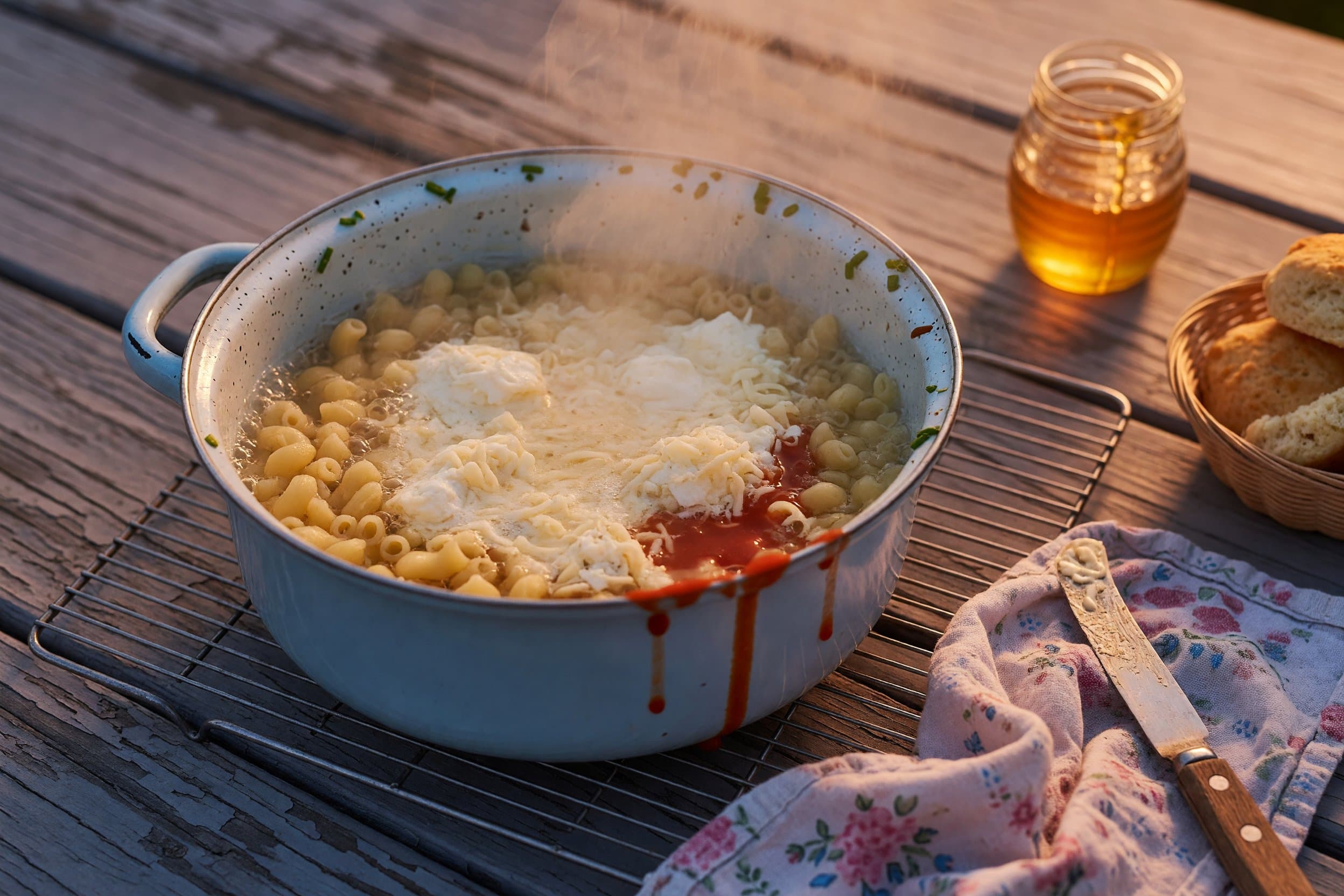
Skipping the roux isn't lazy — it's a deliberate trade. Ricotta is high in moisture, so when it hits hot pasta water and milk, it loosens and blends into a sauce without any flour needed. The starchy cooking water is doing real work here, so the number-one rule is: do not drain the pasta. That cloudy water is your emulsification base. The second rule is heat control. When you add the ricotta and milk, the burner should be on low — not medium, not 'kind of low.' If the pan is too hot, the dairy proteins seize up and you end up with a grainy, broken sauce instead of something smooth and creamy. Keep it gentle, stir constantly, and add the cheddar in stages so it melts evenly rather than clumping in one spot.
The Dijon Mustard Isn't Optional
I know a teaspoon of Dijon mustard in mac and cheese sounds a little weird, but trust the process. It acts as a binder that helps the dairy fat and starchy water stay together as a cohesive sauce — and it sharpens the back-palate so the whole dish tastes more alive. You won't taste mustard, you'll just taste 'wow, this is really good mac and cheese.' Don't skip it.
Make It a Full Meal
This mac is pure comfort in a bowl, but it's dairy-and-carb forward, so it loves a little company on the plate. A big green salad with something acidic — like a lemon vinaigrette — cuts right through the richness and makes the whole meal feel balanced. Roasted broccoli or steamed peas stirred right into the pot at the end is another easy move. If you want to add protein, grilled chicken or crispy bacon on top takes this from side dish to main event without any extra pots.
Sourcing Tips for the Best Sauce
Two ingredient choices make a real difference here. First, go for whole-milk ricotta — the full-fat version has more body and blends into a noticeably richer sauce compared to part-skim, which can turn watery. Second, reach for a sharp or extra-sharp cheddar. Because we're skipping the butter-heavy roux, the cheddar is carrying more of the flavor load, and a sharper cheese means you get that bold, tangy mac flavor without needing to pile on extra cheese.
Substitutions that still taste like the recipe.
Want to mix it up? Here are the best swaps for the key ingredients — all tested against the flavor profile of the original.
- rigatoni
Shares maillard compounds with elbow macaroni
- penne
Shares maillard compounds with elbow macaroni
- linguine
Shares maillard compounds with elbow macaroni
- mozzarella cheese
Shares lactone compounds with ricotta cheese
- monterey jack cheese
Shares lactone compounds with ricotta cheese
- mascarpone cheese↑ fatty
Shares lactone compounds with ricotta cheese — more fatty
- pecorino cheese
Shares ester compounds with cheddar cheese
- gruyere cheese
Shares ester compounds with cheddar cheese
- parmesan cheese
Shares ester compounds with cheddar cheese
- cottage cheese
Shares lactone compounds with milk
- buttermilk↑ sour
Shares lactone compounds with milk — more sour
- creme fraiche↑ fatty
Shares lactone compounds with milk — more fatty
Honest Take on the Nutrition
Let's be real — this is comfort food, and it tastes like it. Each serving comes in around 292 calories with solid protein from the two cheeses, which is genuinely pretty good for a bowl of mac. The thing to be aware of is sodium: between the cheddar, the salt, and the pasta water, this dish runs on the saltier side. If that's something you're watching, try cutting the added salt in half and letting the cheddar do the heavy lifting on flavor. The other honest note is that this is a dairy-and-carb bowl — there are no vegetables or protein beyond the cheese. That's easy to fix: stir in some spinach or peas, or serve it alongside something green. It's a great base; it just wants a little company.
Common questions
Can I make this ahead of time?
Why is my sauce grainy or lumpy?
Can I double the recipe for a bigger family?
What if I don't have Dijon mustard?
Is this recipe vegetarian?
That's it — one pot, a handful of ingredients, and dinner is done in under 20 minutes. This is exactly the kind of recipe that makes weeknight cooking feel easy and fun instead of like a chore. Give it a try, make it your own, and don't forget to browse all the other recipes while you're here. There's always something delicious waiting for you. Happy cooking!
The Quarterly
Get the next Quarterly from Dowell Cooks
Seasonal recipes, notes, and the issue links worth saving.
Comments