The Honey Lavender Bundt Cake That Tastes Like a Fancy Bakery Made It
Floral, buttery, and golden all the way through — this bundt cake uses a simple lavender-cream steep and a handful of pantry staples to pull off something that looks and tastes seriously impressive.
 Dowell Cooks7 min readPrint this post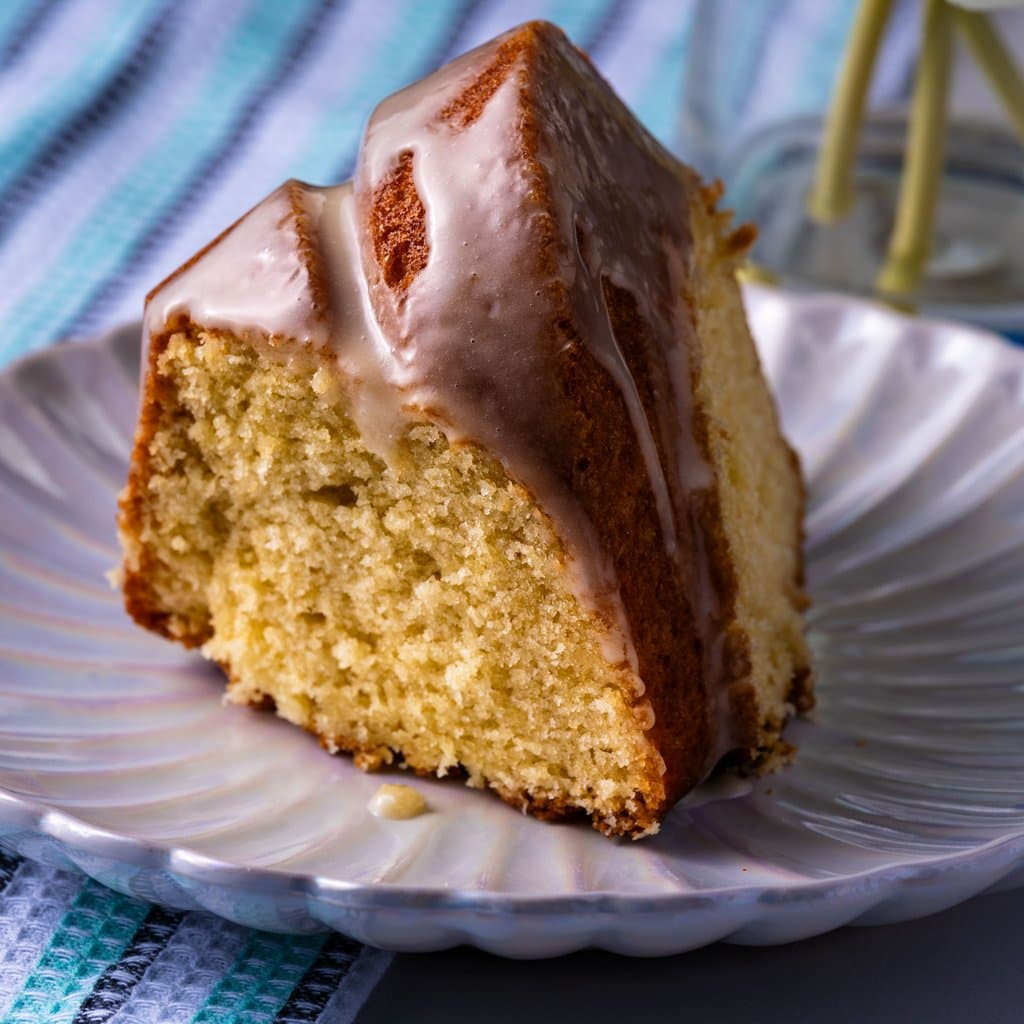
Simple ingredients, one good trick with lavender, and a bundt pan — that's all it takes to make something truly special.
Hey, welcome back! If you've been looking for a dessert that feels fancy without requiring a culinary degree or a three-page ingredient list, this Honey Lavender Bundt Cake is exactly what you need. We're talking a tender, golden cake that smells like a dream, comes together with everyday ingredients, and looks absolutely stunning on the table — no frosting skills required. The secret? A quick lavender steep in warm cream that does all the heavy lifting on flavor. That's it. No fuss, all flavor, every single time. This one's become a go-to in my kitchen and I think it's about to become one in yours too.
Why Honey and Lavender Are Such a Great Team
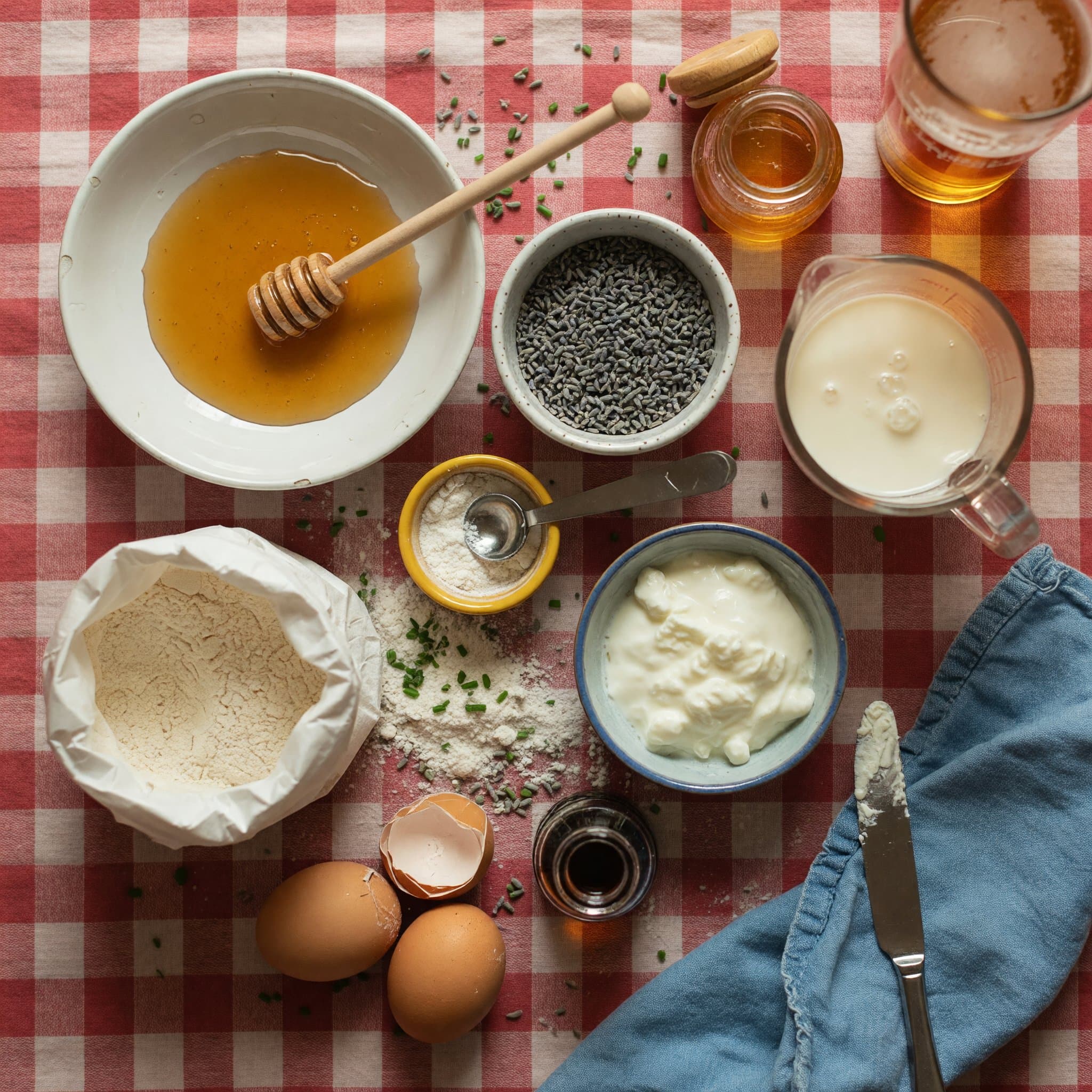
Here's the thing about honey and lavender — they're not just a trendy pairing. These two actually share the same family of floral, fruity aromatic notes, which means when you put them together, they don't compete. They amplify each other. The result is one cohesive, beautiful flavor instead of two ingredients fighting for the spotlight. Vanilla and butter play a supporting role here too, adding a warm, rounded base that gives the honey and lavender something soft to land on. It's a combination that's been showing up in European pastry for centuries, and once you taste it, you'll totally understand why. The Greek yogurt in the batter is another quiet hero — its gentle acidity keeps the crumb tender and moist in a way that you just can't fake.
The One Step You Can't Skip
The lavender steep is the whole game here. You add your dried culinary lavender flowers to the heavy cream and let them sit for four hours. That's it — no heat required, just time. What you get is a cream that carries all of that floral character without any bitterness or soapiness. Skip the steep (or rush it), and you lose the subtlety that makes this cake special. Strain the flowers out completely before adding the cream to your batter — any stray petals left in will turn the flavor sharp and perfume-y in a bad way. Beyond the steep, the other big technique win is not overworking your batter once the flour goes in. Mix until just smooth, then stop. Gluten is your enemy in a tender cake, and once it tightens up, no amount of baking will fix it.
270 minutes, and you’re ready to cook.
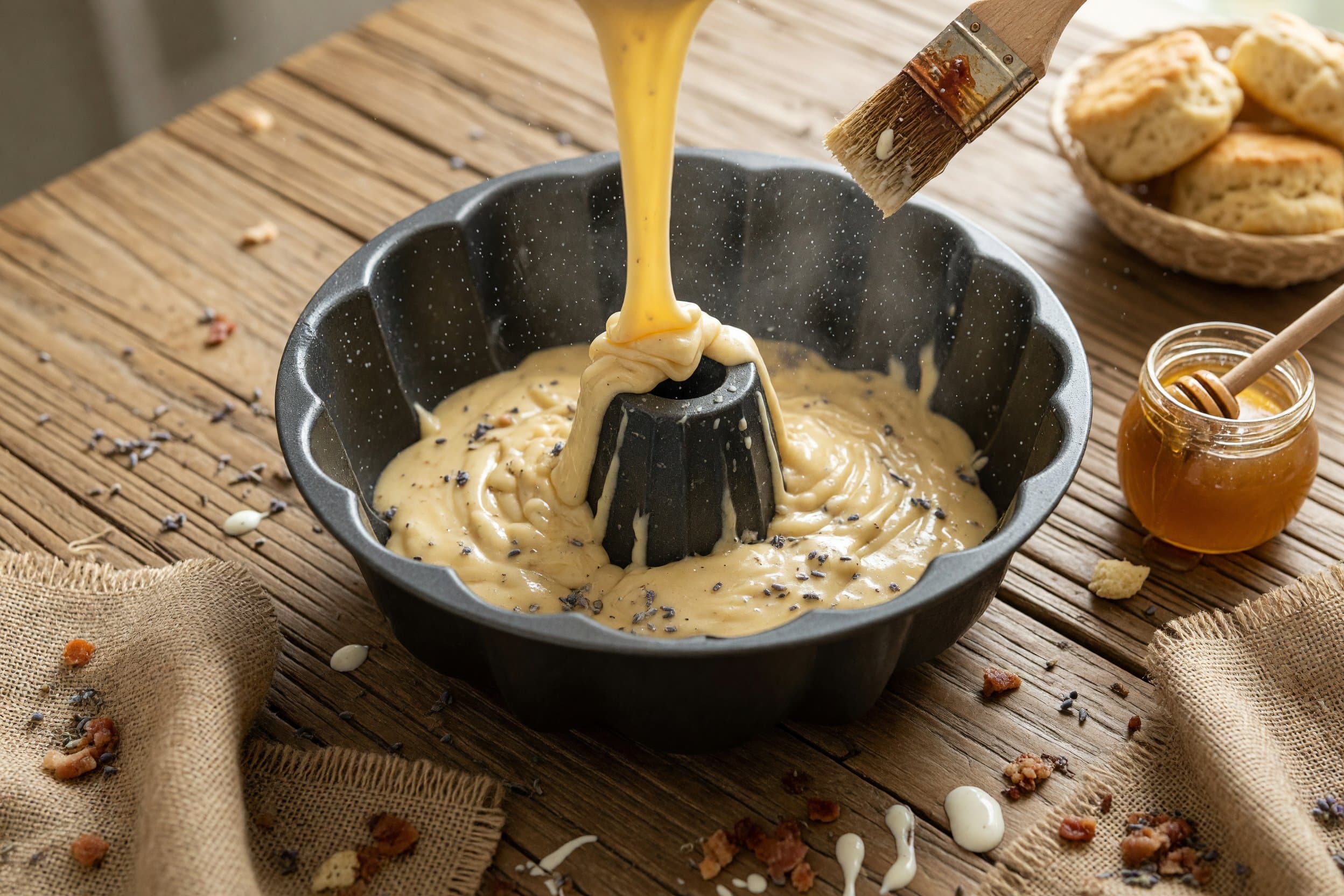
The 4-hour lavender steep is the only real time commitment here. Plan ahead and the rest of the recipe comes together in under an hour.
- Gather EquipmentGather all equipment needed: 2 medium bowls, 1 large bowl, measuring cups, measuring spoons, whisk, spatula, bundt pan, baking tray, nonstick cooking spray, and an oven.
- Preheat OvenPreheat your oven to 350°F.
- Prepare Lavender Flowers and Heavy CreamMeasure out 2 teaspoons of dried lavender flowers and pour ¼ cup of heavy cream into a medium bowl. Add the lavender flowers to the cream and stir to combine. Set aside to steep for 4 hours at room temperature, then strain out the lavender flowers, reserving the infused cream in a separate container.
- Measure HoneyMeasure out 2 tablespoons of honey into a small prep container.
- Prepare ButterCut ½ cup of butter into smaller chunks and place in a prep container. Allow to soften to room temperature if not already soft.
- Measure Granulated SugarMeasure out 1 cup of granulated sugar into a prep container.
- Prepare EggsCrack 2 eggs into a small bowl and lightly beat them together with a fork until combined. Pour into a prep container.
- Measure Vanilla ExtractMeasure out ½ teaspoon of vanilla extract into a small prep container.
- Measure Greek YogurtMeasure out ¾ cup of plain Greek yogurt into a prep container.
- Measure All-Purpose FlourMeasure out 2 cups of all-purpose flour into a prep container.
- Measure Baking PowderMeasure out 4 teaspoons of baking powder into a small prep container.
- Measure Powdered SugarMeasure out ¼ cup of powdered sugar into a prep container for topping.
- Stage IngredientsArrange all prepped ingredients near your work station in the order they will be used: butter and sugar (for creaming), honey, beaten eggs, vanilla extract, lavender-infused cream, Greek yogurt, flour, baking powder, and powdered sugar for topping. Have nonstick cooking spray and the bundt pan ready.
A Note on Sweetness
Fair warning: this cake is sweet. Between the granulated sugar, the honey in the batter, and the powdered sugar on top, you've got a lot of sweetness stacked up. That's not a problem — it's a dessert! — but it does mean the finishing touches matter. A light dusting of powdered sugar is plenty. If you want to drizzle extra honey on top, go for it, but keep it restrained. Even better: a tiny squeeze of fresh lemon juice stirred into a simple glaze before you pour it over the cake will cut through the sweetness beautifully and make every other flavor pop harder. That small hit of brightness is the difference between a cake that's just sweet and one that's actually interesting.
Sourcing Your Two Hero Ingredients
Two ingredients here are worth a little extra attention at the store. For the honey, go raw or minimally processed if you can find it — the flavor is noticeably more complex and floral than the ultra-filtered stuff in the bear-shaped bottle. Local honey from a farmers market is ideal, and it's a great way to support beekeepers in your area. For the lavender, make sure you're buying culinary-grade dried lavender flowers, not ornamental. Ornamental lavender is grown for looks, not eating — it can carry pesticide residue and the oil content is unpredictable, which means your cake might end up tasting like soap instead of a Provençal dream. Look for it in the spice aisle or online; it's more widely available than you'd think.
Raw honey and culinary-grade dried lavender are the two ingredients worth seeking out — they make a noticeable difference in the final flavor.
Use raw or minimally processed honey — its aromatic aldehyde and terpene compounds are more intact than heavily filtered commercial honey
Ways to Make It Your Own
Once you've nailed the base recipe, there are so many fun directions to take this cake. Swap the powdered sugar dusting for a simple lemon glaze (powdered sugar + fresh lemon juice + a splash of milk) and you'll get that brightness that balances the sweetness perfectly. Want to go more floral? A tiny splash of rose water in place of part of the vanilla extract plays beautifully with the lavender. If you're baking for a crowd and want something more dramatic, try a honey cream cheese glaze instead of powdered sugar — it drapes over the bundt ridges like a dream and adds a gentle tang. You can also bake this in two standard loaf pans instead of a bundt if that's what you have — just reduce the bake time by about 10 minutes and start checking early.
Substitutions that still taste like the recipe.
Need to swap something out? Here are the best alternatives for the key ingredients — matched for flavor so the cake still sings.
- agave nectar
Shares fruity ester compounds with honey
- date syrup
Similar sweetener — neutral swap
- brown sugar
Shares aldehyde compounds with honey
- lavender
Shares terpene compounds with lavender flowers
- edible flowers
Shares terpene compounds with lavender flowers
- fresh basil
Shares terpene compounds with lavender flowers
- full-fat yogurt
Shares lactone compounds with greek yogurt
- low-fat yogurt
Shares lactone compounds with greek yogurt
- crema↑ fatty
Shares acid compounds with greek yogurt — more fatty
- vanilla
Shares phenolic compounds with vanilla extract
- rose water
Shares aldehyde compounds with vanilla extract
- almond extract
Shares aldehyde compounds with vanilla extract
- syrup
Shares maillard compounds with powdered sugar
- butterscotch syrup
Shares maillard compounds with powdered sugar
- turbinado sugar
Shares maillard compounds with powdered sugar
Tools for this recipe.
Nothing fancy needed here — just the basics you probably already have, plus a bundt pan if you don't own one yet (they're worth it).
- medium bowl
- large bowl
- measuring cups
- measuring spoons
- whisk
- spatula
- bundt pan
- sheet pan
Common questions
Can I use fresh lavender instead of dried?
Do I really need to steep the lavender for 4 hours?
My bundt cake stuck to the pan. What went wrong?
Can I make this ahead of time?
Can I double the recipe?
That's the whole thing — a gorgeous, floral, honey-kissed bundt cake that your family will absolutely love, made with ingredients you can find at any grocery store. No complicated techniques, no intimidating steps, just good food and big flavor. If you make this one, I'd love to see it — tag me and show off that beautiful bundt! And if you're looking for more easy, delicious recipes just like this one, you're in the right place. Browse all recipes and let's keep cooking together.
The Quarterly
Get the next Quarterly from Dowell Cooks
Seasonal recipes, notes, and the issue links worth saving.

Comments