The Only Chocolate Pudding Recipe You'll Ever Need
Five ingredients, ten minutes of active cooking, and a result so good the boxed stuff will collect dust forever. This is stovetop chocolate pudding done right.
 Dowell Cooks6 min readPrint this post
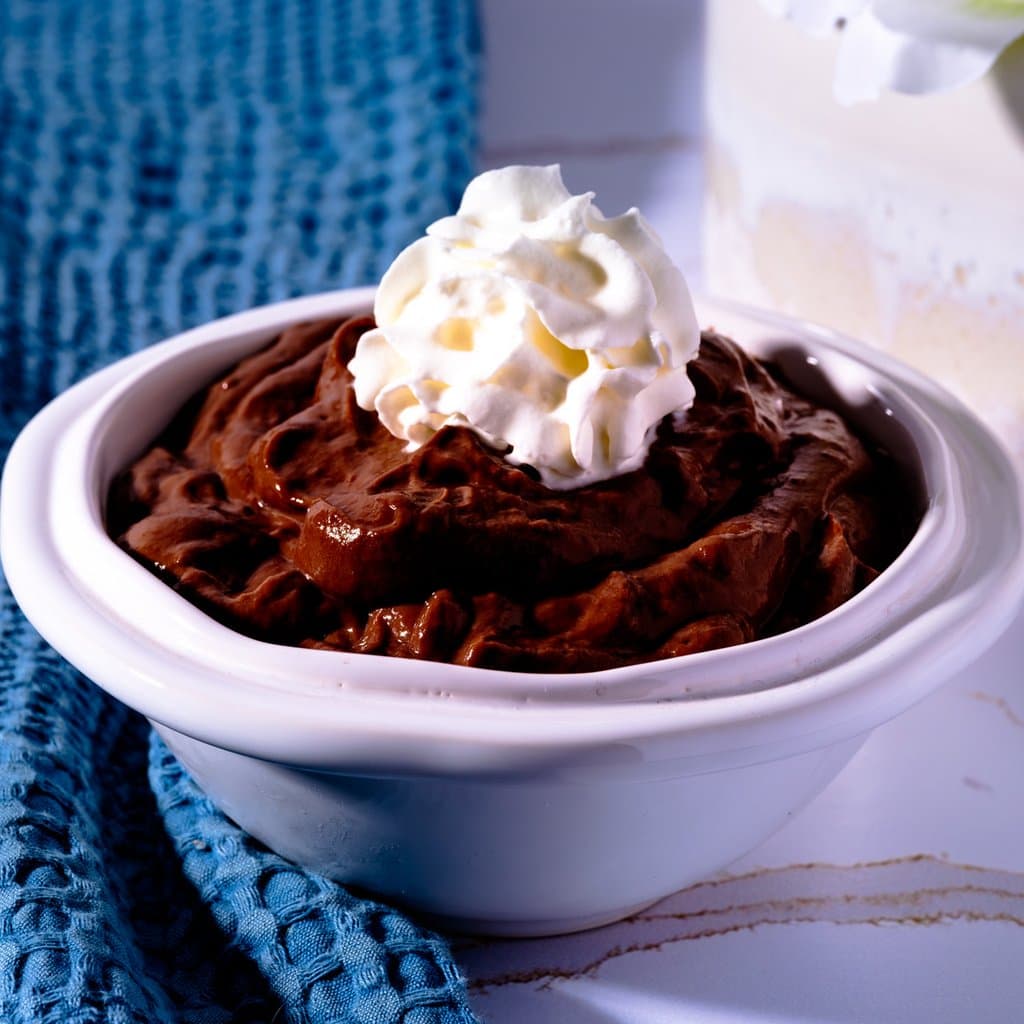
Simple ingredients, delicious meals — that's the whole game. And this pudding proves it every single time.
Hey, welcome back to Dowell Cooks! If there's one recipe that perfectly captures what this whole place is about — easy, fun, and absolutely delicious — it's this homemade chocolate pudding. We're talking five ingredients, no fancy equipment, and about ten minutes of actual cooking. The rest is just the fridge doing its thing. Once you make this from scratch, I promise you'll look at that box of instant pudding and wonder why you ever bothered. No fuss. All flavor. Every single time.
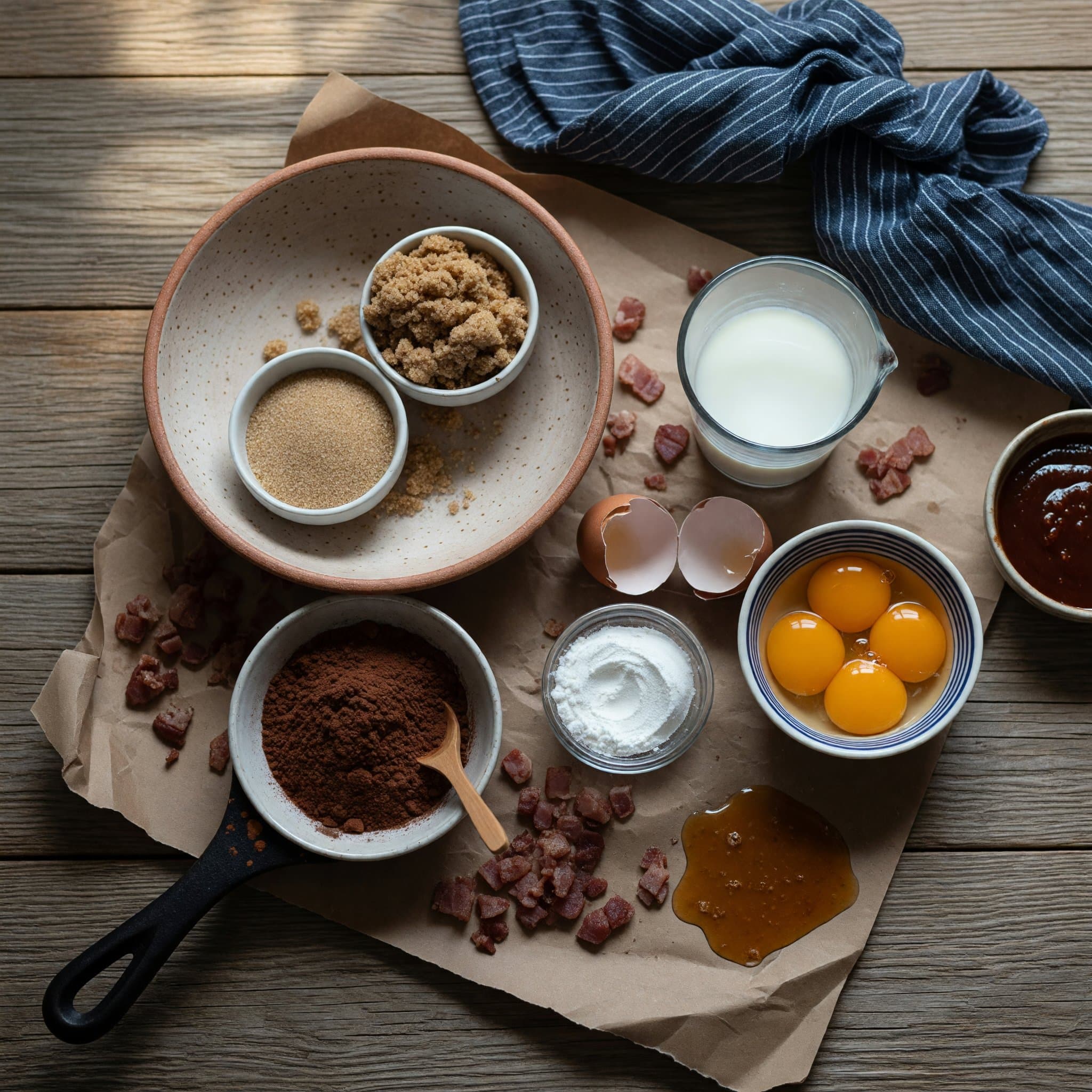
Why This Pudding Actually Works
Here's the thing about stovetop pudding — it's basically a little science experiment happening right in your saucepan, and once you understand what's going on, you'll never mess it up. The cornstarch is your thickener, but it needs to be dispersed in cold milk before the heat hits, otherwise it clumps into little lumps that never fully disappear. The egg yolks add richness and that gorgeous glossy finish, but they need to be brought up to temperature slowly so they don't scramble. Get both of those right and you're rewarded with the silkiest, most satisfying chocolate pudding you've ever had.
A few key things to know before you start — these are the moves that separate a silky pudding from a lumpy one.
Temper the egg yolks — don't skip it
Ladle hot milk into your yolks gradually before adding them back to the pot. Egg proteins seize and curdle above roughly 70°C if shocked. Slow tempering keeps the emulsion smooth and the pudding glossy.
Slurry your cornstarch in cold milk first
Cornstarch dropped straight into hot liquid clumps instantly. Disperse it in cold milk before heating, then simmer 1–2 minutes after the pudding thickens to fully gelatinize the starch — undercooked starch tastes chalky and will thin back out as it cools.
Brown sugar and cocoa are a natural pair
Brown sugar's molasses notes carry ketone and aldehyde compounds that echo cocoa's own bitter-roast character. The sweetness tames cocoa's bitterness without flattening it — you get depth, not just sweet chocolate.
Whipped cream is doing structural work, not just garnish
The pudding's fat content is moderate on its own. Whipped cream shares lactone compounds with whole milk, making the dairy flavors feel unified while adding the fatty richness the base needs to feel complete.
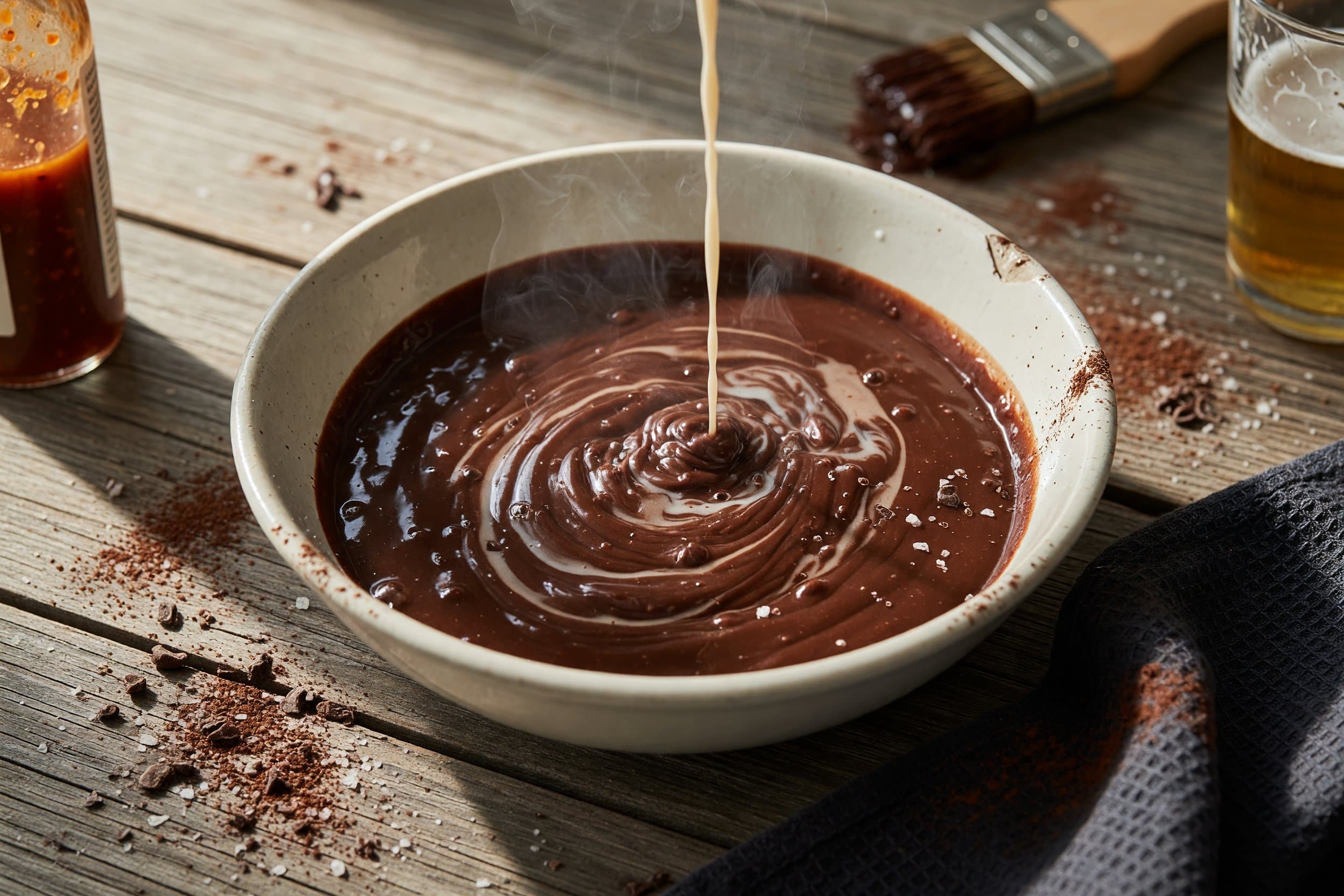
Three moves make or break this recipe.
Three moves that make or break this pudding. Nail these and you're golden.
Once the pudding coats the back of a spoon and holds a line, simmer 2 more minutes. Press plastic wrap directly onto the surface before chilling to prevent a skin.
- Whisk cornstarch into cold milk until fully dispersed before any heat touches the pan
- Temper egg yolks by ladling hot pudding base in slowly, whisking constantly, before returning to heat
- Simmer on medium-low after thickening for a full 2 minutes — pull too early and the starch is raw
That moment when the pudding suddenly goes thick? Here's exactly what's happening in the pan — and why you need to keep the heat gentle once it does.
Starch Gelatinization
Cornstarch granules swell and burst when heated in liquid, releasing amylose chains that thicken the pudding. Vigorous boiling after this point breaks the granule network and thins the pudding back out.
Keep heat at a steady simmer once thickening begins. If the pudding over-thickens, whisk in a small splash of warm milk off heat — don't return to a boil.
The Technique in Plain English
Start everything cold and dry — whisk your sugars, cocoa powder, and cornstarch together in the saucepan before any liquid touches them. Add the egg yolks and half the milk, whisk until smooth, then turn on the heat. Slowly pour in the rest of the milk while stirring. As the mixture heats up, you'll feel it start to resist the whisk — that's the starch doing its job. Keep stirring on medium heat for 8 to 10 minutes. Once it thickens and coats the back of a spoon, simmer for one to two more minutes to fully cook out the starch. Pull it too early and you'll get a chalky, thin result once it cools. The last step is critical: press plastic wrap directly onto the surface of the pudding before it goes in the fridge. This stops a rubbery skin from forming. Chill for at least four hours — overnight is even better.
10 minutes, and you’re ready to cook.
Mise en place takes about 10 minutes and makes the actual cooking totally stress-free. Here's how to set yourself up.
- Gather EquipmentGather a medium saucepan, a medium mixing bowl, a whisk, a measuring cup, measuring spoons, a small bowl for egg yolks, and a spatula.
- Measure Light Brown SugarMeasure out ¼ cup of light brown sugar and place in a small prep container.30s
- Measure Granulated SugarMeasure out ¼ cup of granulated sugar and place in the same prep container with the brown sugar.30s
- Measure Cocoa Powder and CornstarchMeasure out ¼ cup of cocoa powder and 2 tablespoons of cornstarch. Place both in a separate prep container.45s
- Prepare Egg YolksCrack 2 eggs and carefully separate the yolks from the whites, placing the yolks in a small prep bowl. Discard the whites.1 min
- Measure Whole MilkMeasure out 2 cups of whole milk and place in a measuring cup or pitcher for easy pouring.45s
- Prepare Whipped CreamMeasure out ½ cup of whipped cream and place in a small prep container. Keep refrigerated until ready to serve.30s
- Stage IngredientsArrange all prepped containers near the stove in cooking order: sugars, cocoa powder and cornstarch mixture, egg yolks, milk, and whipped cream. Have the saucepan, whisk, and spatula ready.
Tools for this recipe.
Nothing exotic here — just the basics you already have in your kitchen.
- medium saucepan
- mixing bowl
- whisk
- measuring cups
- measuring spoons
- small bowl
- spatula
Pick Your Cocoa Wisely
Not all cocoa powder is the same, and it actually matters here. Dutch-process cocoa has been treated to reduce acidity, which gives you a smoother, mellower chocolate flavor — it's the move for this pudding. Natural cocoa is sharper and more bitter, which can make the finished pudding taste a little harsh. If Dutch-process is what you've got, great. If you're working with natural cocoa, it'll still be delicious, just a bit more intense. Either way, use the real stuff — not a hot cocoa mix with sugar and powdered milk already in it. And on the milk front: whole milk is genuinely non-negotiable here. Lower-fat milks don't give the starch enough body to set the pudding properly. You'll end up with something that never quite firms up.
Don't Let It Boil Hard
Once the pudding starts to thicken, drop your heat down to a gentle simmer and keep stirring. A hard boil at this stage will actually break down the starch network you just built and thin the pudding back out — which is the opposite of what you want after all that patient stirring. Medium-low heat is your friend from the moment things start to look thick. If the pudding does get too thick before you pull it off the heat, whisk in a small splash of warm milk off the burner. Just don't put it back on high heat to fix it.
- Contains
- milk, egg
- Fits
- Vegetarian, Pescatarian, Gluten-Free, Nut-Free, Halal, Kosher
Halal and kosher also depend on how the ingredients are sourced and certified.
Substitutions that still taste like the recipe.
Want to tweak the recipe? Here are the best swaps for the three ingredients that have the most impact on flavor.
- jaggery
Brings creamy and coconutty notes.
- date syrup
Brings creamy, coconutty, clove-like and smoky notes; lacks the buttery notes.
- syrup
Lacks the buttery notes.
- chocolate↑ sweet↑ fatty
Brings creamy and coconutty notes; richer.
- molasses↑ sweet↓ bitter
Lacks the earthy and roasted notes; sweeter-bodied.
- dark chocolate↑ sweet
Lacks the buttery, toasted and browned notes.
- low-fat milk↓ fatty
- skim milk↓ fatty
- non-fat cottage cheese↓ fatty
Make It Your Own
This base recipe is a perfect blank canvas. Stir a teaspoon of instant espresso powder into the dry ingredients for a mocha version that makes the chocolate taste even deeper and more complex. A pinch of cinnamon and a tiny hit of cayenne turns it into a Mexican chocolate pudding that's genuinely surprising. For a dairy-free version, full-fat coconut milk works beautifully — it's rich enough to give the starch proper body, and the coconut flavor plays really nicely with the cocoa. You can also swap the whipped cream topping for a scoop of vanilla ice cream, which melts into the cold pudding and creates its own little sauce situation. Highly recommend.
- Dairy & Eggs
- $3.88
- Baking
- $3.46
Common questions
Can I make this pudding ahead of time?
Why does my pudding have lumps?
My pudding didn't set — what went wrong?
Can I use a milk alternative instead of whole milk?
Do I really need to press plastic wrap onto the surface?
And that's it — homemade chocolate pudding that's easier than you think and way better than anything from a box. This is exactly the kind of recipe I love sharing: simple ingredients, a little technique, and a result that genuinely impresses. Make it for your family on a weeknight, bring it to a dinner party, or just make it for yourself because you deserve something delicious. Browse all the recipes here on Dowell Cooks for more easy wins just like this one. Cooking should be fun, easy, and never overly complicated — and this pudding is proof.
The Quarterly
Get the next Quarterly from Dowell Cooks
Seasonal recipes, notes, and the issue links worth saving.

Comments