The Creamiest Stovetop Mac & Cheese Your Family Will Actually Beg For
One skillet, a proper roux, and freshly grated cheddar — this is the stovetop mac that tastes like you spent all day on it, even though dinner's on the table in under an hour.
 Dowell Cooks6 min readPrint this post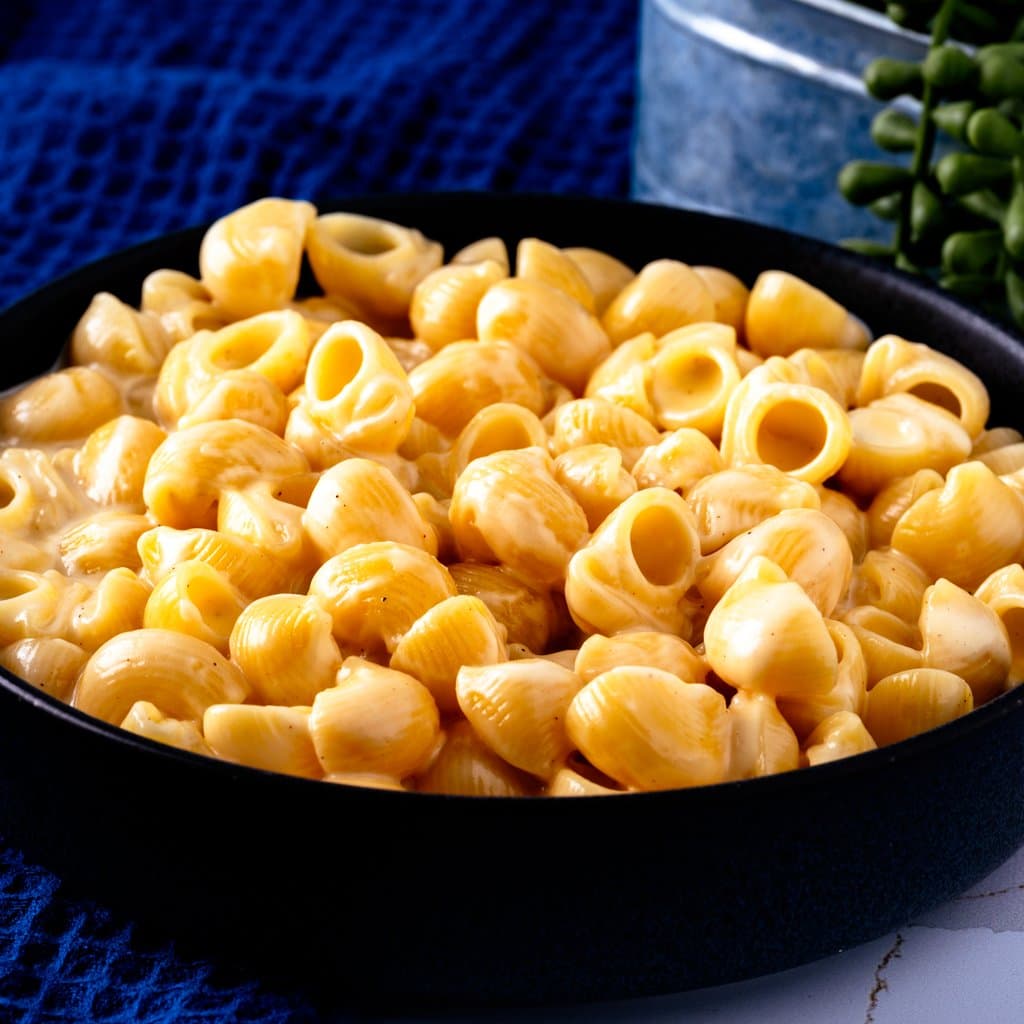
Simple ingredients, delicious meals — that's the whole game.
Hey, welcome back to Dowell Cooks! If there's one recipe that belongs in every home cook's back pocket, it's a really good stovetop mac and cheese. Not the stuff from a box — the real deal, with a silky cheese sauce that clings to every noodle and tastes like pure comfort. This one is easy enough for a weeknight but good enough that the whole family will be asking for seconds before they've finished their first bowl. No fancy equipment, no intimidating steps — just big, cheesy flavor and a whole lot of fun along the way. Let's get into it!
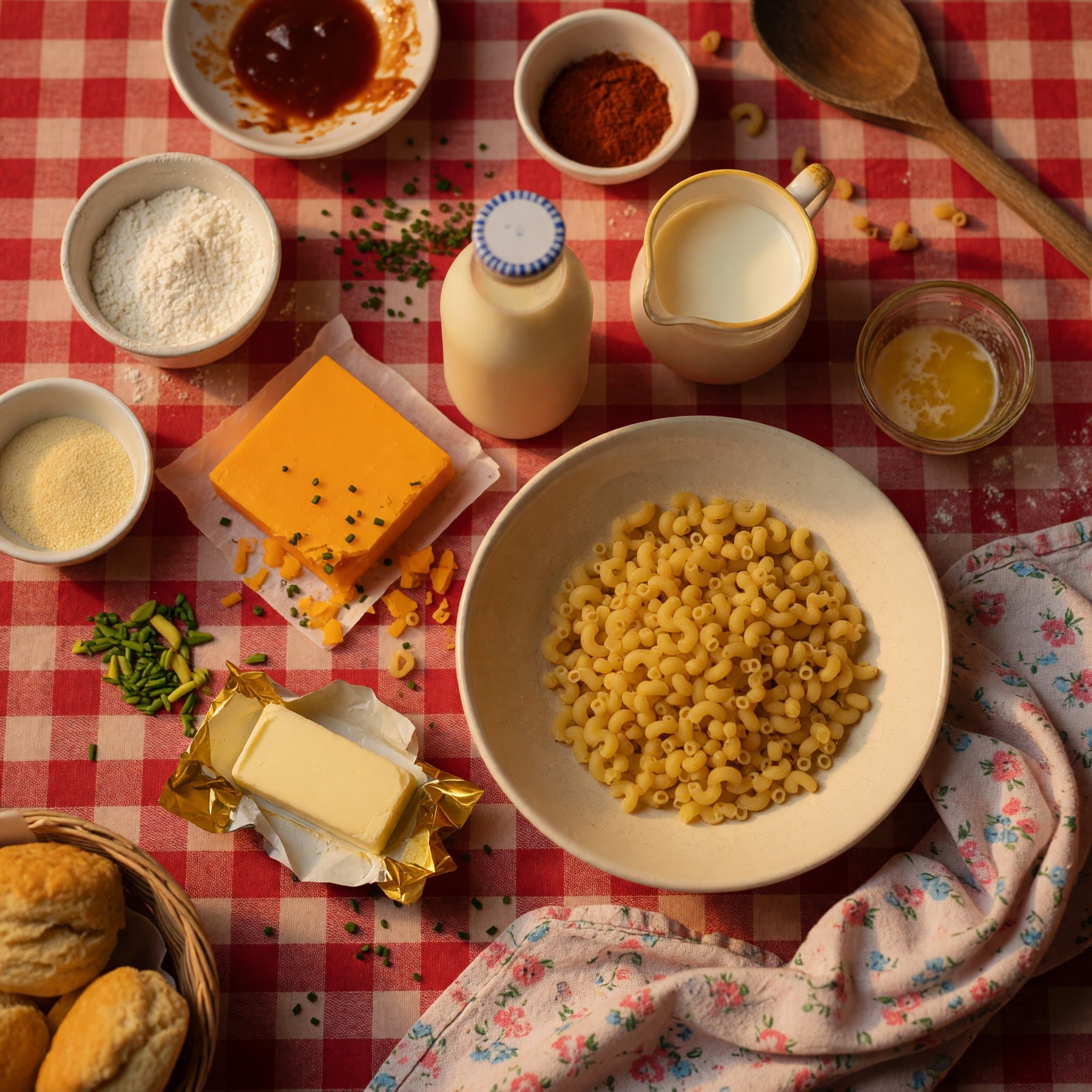
15 minutes, and you’re ready to cook.
Fifteen minutes of mise en place and your cook time becomes totally stress-free. Grate that cheese fresh — it's worth it.
- Gather EquipmentGather a large pot for boiling water, a skillet, a whisk, a measuring cup, measuring spoons, a box grater or microplane, a colander, a wooden spoon, and a large mixing bowl.
- Prepare the Cheddar CheeseGrate the 12 oz block of Cheddar cheese on the large holes of a box grater or use a microplane. You should have about 3 cups of grated cheese. Place in a prep bowl and set aside.
- Measure Dry IngredientsMeasure out ¼ cup all-purpose flour, 1 tsp garlic powder, 1 tsp paprika, ½ tsp salt, and ½ tsp black pepper. Place each in a separate small bowl or combine the spices (garlic powder, paprika, salt, and pepper) into one small bowl.
- Measure Butter and LiquidsMeasure out ¼ cup butter and place in a small bowl. Measure out 1½ cup milk and 1½ cup heavy cream into separate measuring cups or a single large measuring cup.
- Prepare the PastaMeasure out 1 lb of pasta (any shape of your choice). Leave it in its original container or place in a prep bowl near the stove.
- Stage IngredientsArrange all prepped ingredients near the stove in cooking order: pasta, butter, flour, milk and heavy cream, grated cheese, and the spice mixture. Have the colander ready for draining the cooked pasta.
The Roux Is Your Foundation
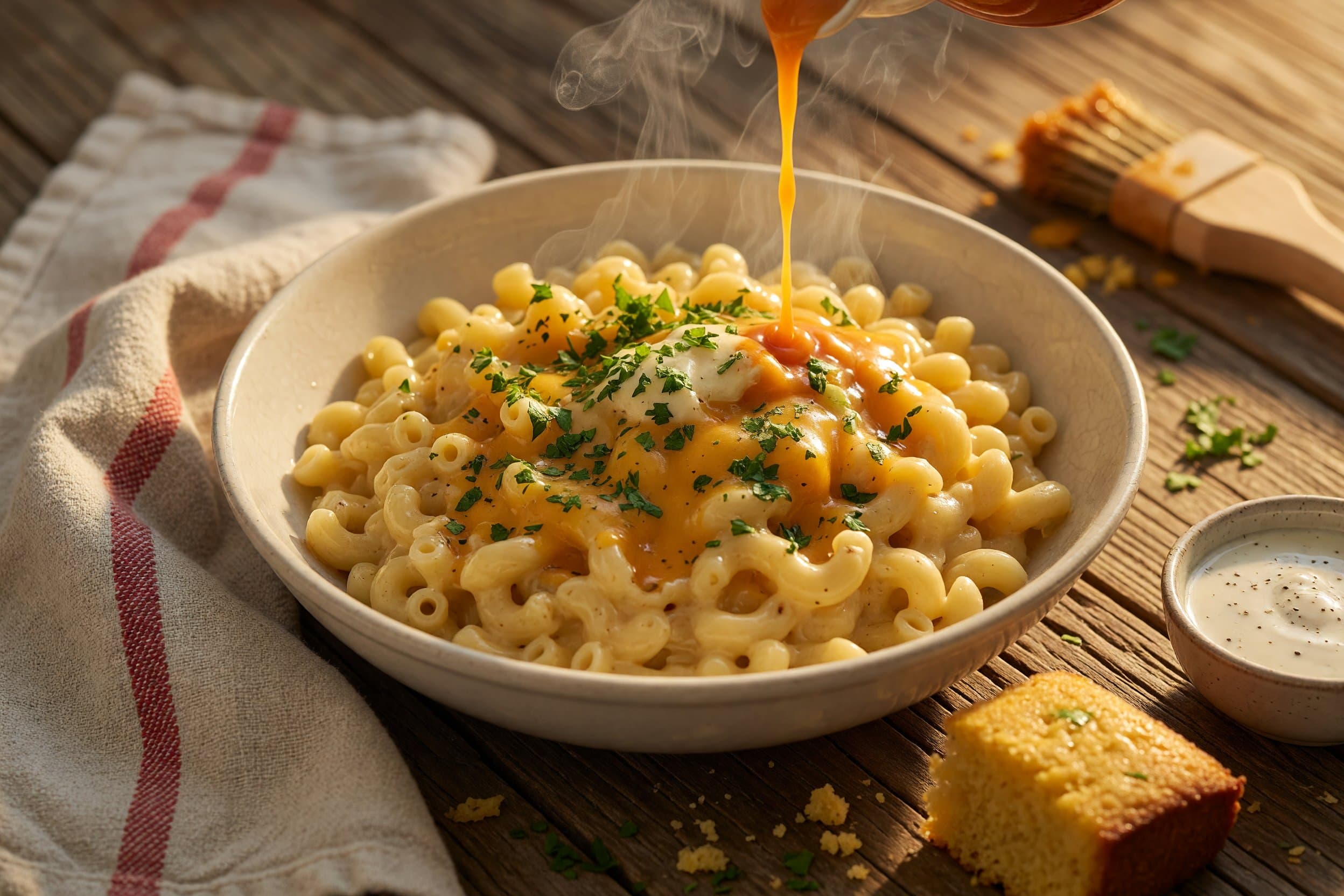
Everything in this recipe hinges on getting the roux right. Once your butter is melted, whisk in the flour and keep it moving over medium heat for a good 90 seconds — you're looking for a pale blond color and a faint toasty smell. If it still smells raw and floury, give it more time. An undercooked roux will make your sauce taste like paste, and it'll thin back out as it sits. Once you hit that toasty moment, pour in your milk and heavy cream and whisk until smooth. Let it simmer and thicken for a couple of minutes — the starch needs that time to fully set, or the sauce will loosen up later. Then, and this is the big one: pull the pan off the heat before you add the cheese. Cheddar gets grainy and greasy if it hits too much direct heat. Let the sauce calm down for 30 seconds, then fold in the cheese in two or three handfuls, stirring between each addition. The residual warmth does all the work.
A Tip That Changes Everything
Most recipes tell you to stir the garlic powder and paprika in at the end — and technically it works, but you're leaving flavor on the table. Both spices carry flavor compounds that dissolve into fat, not water. Add them to the melted butter for 30 seconds before the flour goes in, and they spread evenly through the entire sauce. Added dry at the finish, they just kind of sit on top. It's a 30-second step that makes the whole pot taste more intentional. Medium heat only though — ground spices can scorch fast, and once they're bitter, there's no coming back.
Sourcing: Go Sharp on the Cheddar
This is a five-ingredient sauce, so the quality of each one shows up in the bowl. For the cheese, reach for sharp or extra-sharp cheddar — you'll get more flavor punch per ounce, which means the sauce tastes bolder without having to add more. And please, grate it yourself. Pre-shredded cheese is coated with anti-caking agents that interfere with melting and can leave your sauce grainy. A box grater and five minutes is all it takes. For the dairy, stick with full-fat milk — reduced-fat versions don't hold the emulsion as well and can make the sauce feel thin and a little watery.
Substitutions that still taste like the recipe.
Want to mix it up or work with what you've got? Here are the swaps that play nicely with this sauce.
- white pasta
Shares pyrazine compounds with pasta
- soba noodle
Shares pyrazine compounds with pasta
- udon
Shares pyrazine compounds with pasta
- pecorino cheese
Shares ester compounds with cheddar cheese
- parmesan cheese
Shares ester compounds with cheddar cheese
- pecorino↑ savory
Shares acid compounds with cheddar cheese — more savory
- cream
Shares lactone compounds with heavy cream
- half-and-half
Shares lactone compounds with heavy cream
- coconut milk↑ sweet
Shares lactone compounds with heavy cream — more sweet
- cottage cheese
Shares lactone compounds with milk
- buttermilk↑ sour
Shares lactone compounds with milk — more sour
- creme fraiche↑ fatty
Shares lactone compounds with milk — more fatty
- clotted cream
Shares lactone compounds with butter
- cream
Shares lactone compounds with butter
- mascarpone
Shares lactone compounds with butter
How to Round Out the Plate
Mac and cheese is protein-forward thanks to all that dairy and pasta, but it's light on vegetables and fresh flavors — so a good side goes a long way. A simple green salad with a lemony vinaigrette is the easiest move: the acidity cuts right through the richness of the sauce and makes both things taste better. Roasted broccoli or steamed peas stirred right into the pot are classics for a reason. If you want to go the other direction and lean into the comfort-food energy, a side of garlic bread or crispy chicken tenders alongside a bowl of this mac is a seriously satisfying dinner. A small squeeze of hot sauce or a few drops of something acidic stirred into your bowl right before eating is a sneaky trick that sharpens all the savory notes without changing the dish.
Common questions
Why is my cheese sauce grainy or clumpy?
Can I make this ahead of time?
My sauce got too thick — how do I fix it?
What pasta shape works best?
Can I add mix-ins?
That's all there is to it — creamy, cheesy, comfort food that the whole family will love, ready in under an hour on a weeknight. Once you've got the roux technique down, this becomes one of those recipes you can make without even looking at the instructions. Cooking should be easy, fun, and never overly complicated — and this mac is proof that simple ingredients done right will always win. Browse all the other recipes on Dowell Cooks for more weeknight wins just like this one!
The Quarterly
Get the next Quarterly from Dowell Cooks
Seasonal recipes, notes, and the issue links worth saving.


Comments