The Roman Pasta That's Only Three Ingredients — and All Technique
Cacio e pepe is the ultimate weeknight flex: spaghetti, pecorino, and black pepper transformed into a silky, creamy sauce in under 35 minutes. Here's how to nail it every single time.
 Dowell Cooks6 min readPrint this post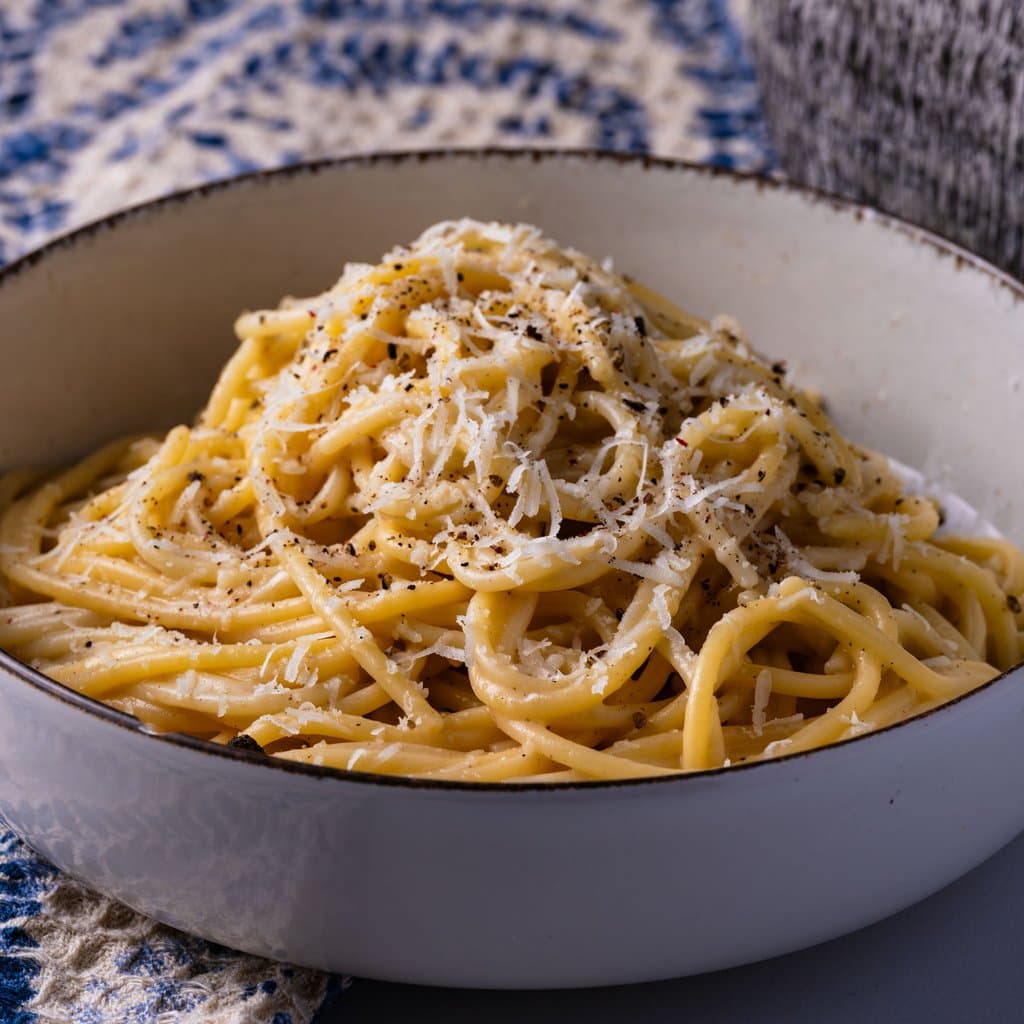
Simple ingredients, delicious meals — that's the whole game.
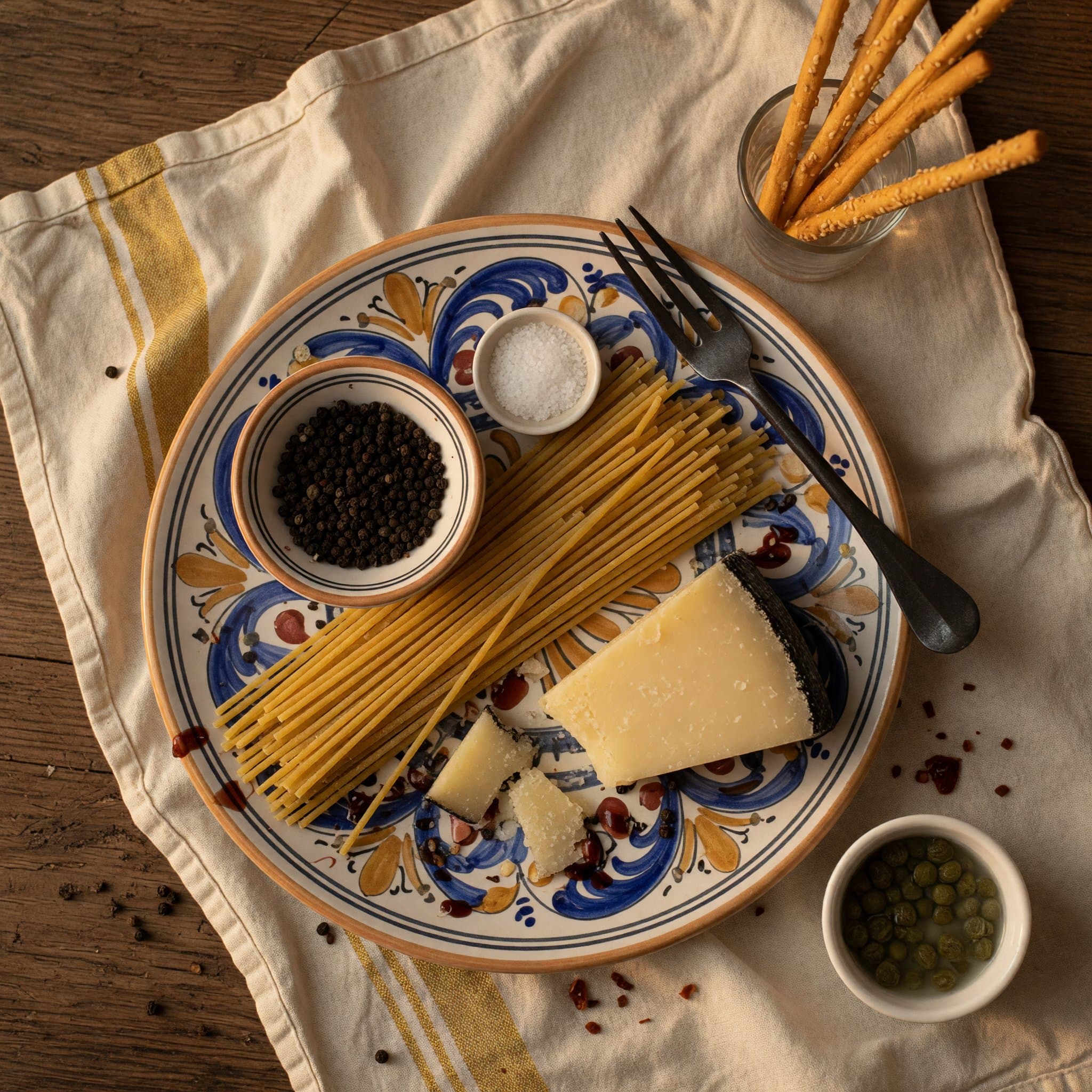
Hey, welcome back to Dowell Cooks! If you've ever wanted to make a restaurant-quality pasta dish with basically nothing in your kitchen, this is the one. Cacio e pepe — cheese and pepper — is one of those Roman classics that sounds almost too simple to be this good. Just spaghetti, pecorino romano, and black peppercorns. No cream, no butter, no fuss. The magic is all in how you put it together, and once you get it, you'll be making this on repeat every single week. Big flavor, minimal cleanup, on the table in about 34 minutes. That's the whole pitch — and trust me, it delivers.
The Technique That Makes It Work
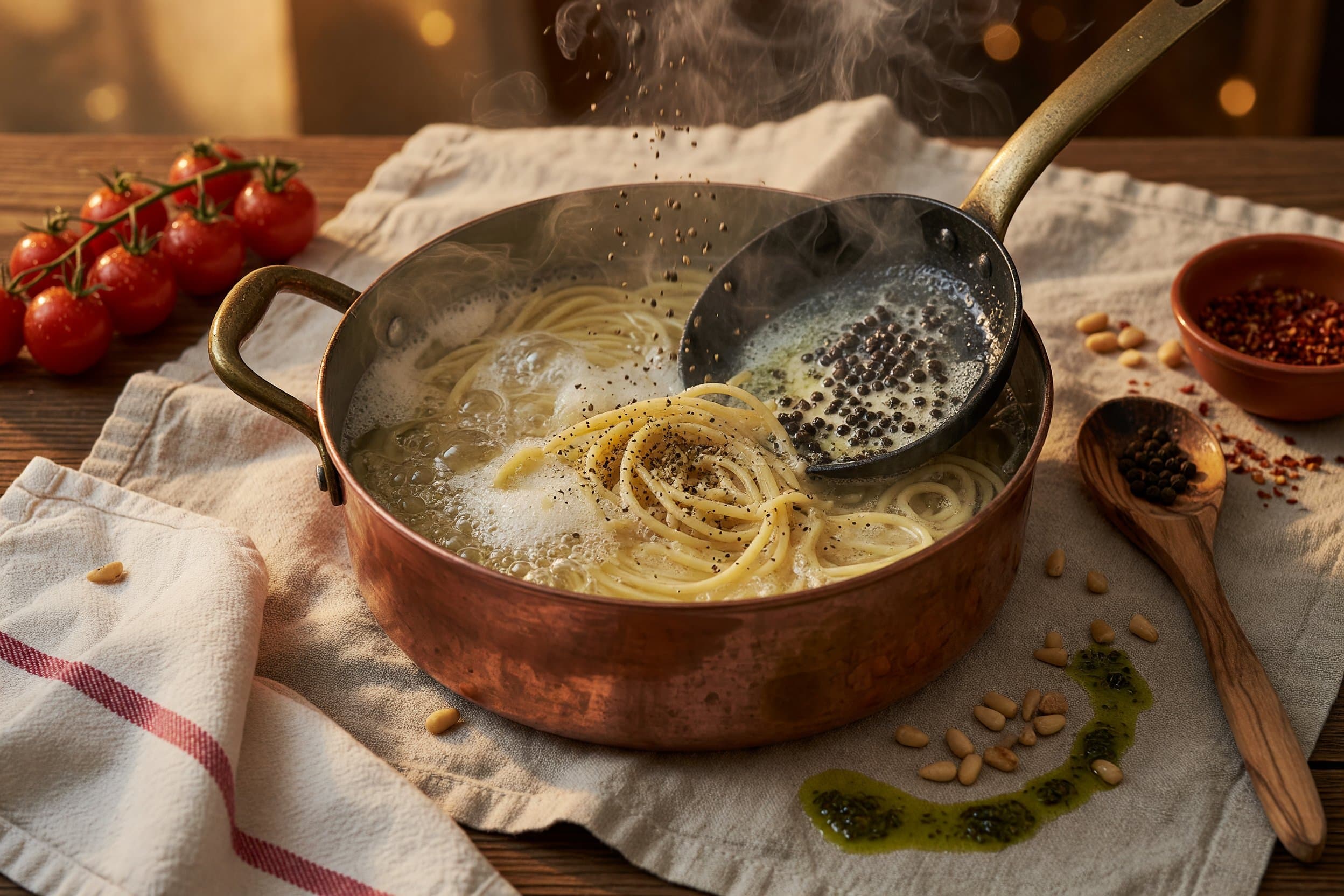
Here's the thing about cacio e pepe that trips people up: the cheese doesn't melt into a sauce on its own. It needs help. That help is starchy pasta water — and a lot of it. When you cook spaghetti in well-salted water, the water picks up starch from the pasta. That starchy liquid is what keeps the cheese smooth and saucy instead of clumping into a gluey mess.
The move is to pull the pan off the heat before the cheese ever touches it. You want the pot around 150–160°F — hot enough to melt the cheese, cool enough that the proteins don't seize up. Add your pecorino in batches, a splash of pasta water with each addition, and toss vigorously for 60–90 seconds until the sauce goes glossy and clings to every strand. Work fast, work confidently, and don't walk away.
10 minutes, and you’re ready to cook.
Ten minutes of mise en place makes the cooking go smooth. Grate your cheese ahead of time — it's the most important thing you can do.
- Gather EquipmentGather a large pot, small pan, colander, mortar and pestle, box grater or microplane, measuring spoons, a wooden spoon or pasta fork, and a measuring cup.
- Preheat WaterFill a large pot with water (about 6 quarts) and place it on the stove over high heat. You'll bring this to a boil in the next cooking step.
- Measure SaltMeasure out 3 teaspoons of salt into a small bowl and set aside near the stove.30s
- Prepare Black PeppercornsMeasure out 1 tablespoon of black peppercorns into a small prep bowl. Set aside — you'll toast these during cooking.30s
- Grate the Pecorino RomanoUsing a box grater or microplane, finely grate the 4 oz block of Pecorino Romano cheese. Measure out the grated cheese (you should have about 1 cup) and place in a prep bowl. Set aside.2 min
- Prepare SpaghettiRemove the 1 lb box of spaghetti from its packaging and place it near the stove, ready to add to boiling water.30s
- Stage IngredientsArrange all prepped ingredients in order of use near the stove: salt, peppercorns (in small pan), spaghetti, grated Pecorino Romano, and a measuring cup for pasta water. Have your colander and hot pot ready.
Toast That Pepper — Don't Skip It
Whole black peppercorns straight from the jar taste sharp and one-dimensional. Give them two to three minutes in a dry pan over medium heat and everything changes. The harsh edge softens, and what you're left with is this warm, almost floral heat that becomes the backbone of the entire dish. Once they're fragrant and just barely starting to smoke, pull them off the heat, let them cool for a minute, then grind them in a mortar and pestle. Fresh-ground pepper has a completely different character than anything that comes pre-ground — it's worth the extra five minutes, every time.
Sourcing: Two Ingredients, One Non-Negotiable
With only three real ingredients, quality matters more here than in almost any other recipe. For the pecorino, look for Pecorino Romano DOP — the real-deal Italian import. It has a specific sharpness and saltiness that's been calibrated for this dish over centuries. Domestic pecorino-style cheeses can work in a pinch, but they tend to be milder and less complex. For the pepper, buy whole peppercorns and grind them yourself. Pre-ground pepper has already lost most of what makes it interesting. A small mortar and pestle is all you need, and the difference in flavor is immediate.
Substitutions that still taste like the recipe.
Need to swap something out? Here are the best alternatives for each of the three hero ingredients.
- pasta shells
Shares maillard compounds with spaghetti
- elbow macaroni
Shares maillard compounds with spaghetti
- rigatoni
Shares maillard compounds with spaghetti
- ground white pepper
Shares terpene compounds with black peppercorns
- white peppercorns
Shares terpene compounds with black peppercorns
- green peppercorns
Shares terpene compounds with black peppercorns
How to Round Out the Plate
Cacio e pepe is rich, salty, and deeply savory — which means it loves a bright, acidic companion. A simple arugula salad with lemon juice and a drizzle of olive oil is the classic move, and for good reason. The bitterness of the arugula and the citrus lift cut right through the richness of the cheese sauce and reset your palate between bites. A glass of crisp white wine — something like a Vermentino or a dry Pinot Grigio — does the same job in liquid form. If you're feeding kids or keeping it alcohol-free, sparkling water with a squeeze of lemon works surprisingly well. The dish is already a full meal on its own, but a little freshness on the side makes it feel more complete.
Common questions
Why does my cheese clump instead of turning into a sauce?
Can I use Parmesan instead of Pecorino Romano?
How much pasta water should I reserve?
Can I make this ahead of time?
Is this dish vegetarian?
That's cacio e pepe — one of the most satisfying things you can cook on a weeknight with almost nothing in your fridge. Three ingredients, one pot, and a little bit of technique. Once you've got the emulsification down, this becomes one of those recipes you make from memory without even thinking about it. If you try it, let me know how it goes! And if you're looking for more easy, delicious dinners that don't require a culinary degree, you're in the right place. Browse all the recipes and find your next favorite meal. Cooking should be easy, fun, and never overly complicated — and this one proves it.
The Quarterly
Get the next Quarterly from Dowell Cooks
Seasonal recipes, notes, and the issue links worth saving.


Comments