Crispy Shrimp Toast: The Cantonese Dim Sum Bite Your Family Will Beg For
Golden, sesame-crusted shrimp toast straight from Cantonese tradition — built on a silky shrimp-and-pork paste, fried to a crackling crisp, and served with a bright sweet-and-spicy dipping sauce that ties the whole…
 Dan Cooks5 min readPrint this post
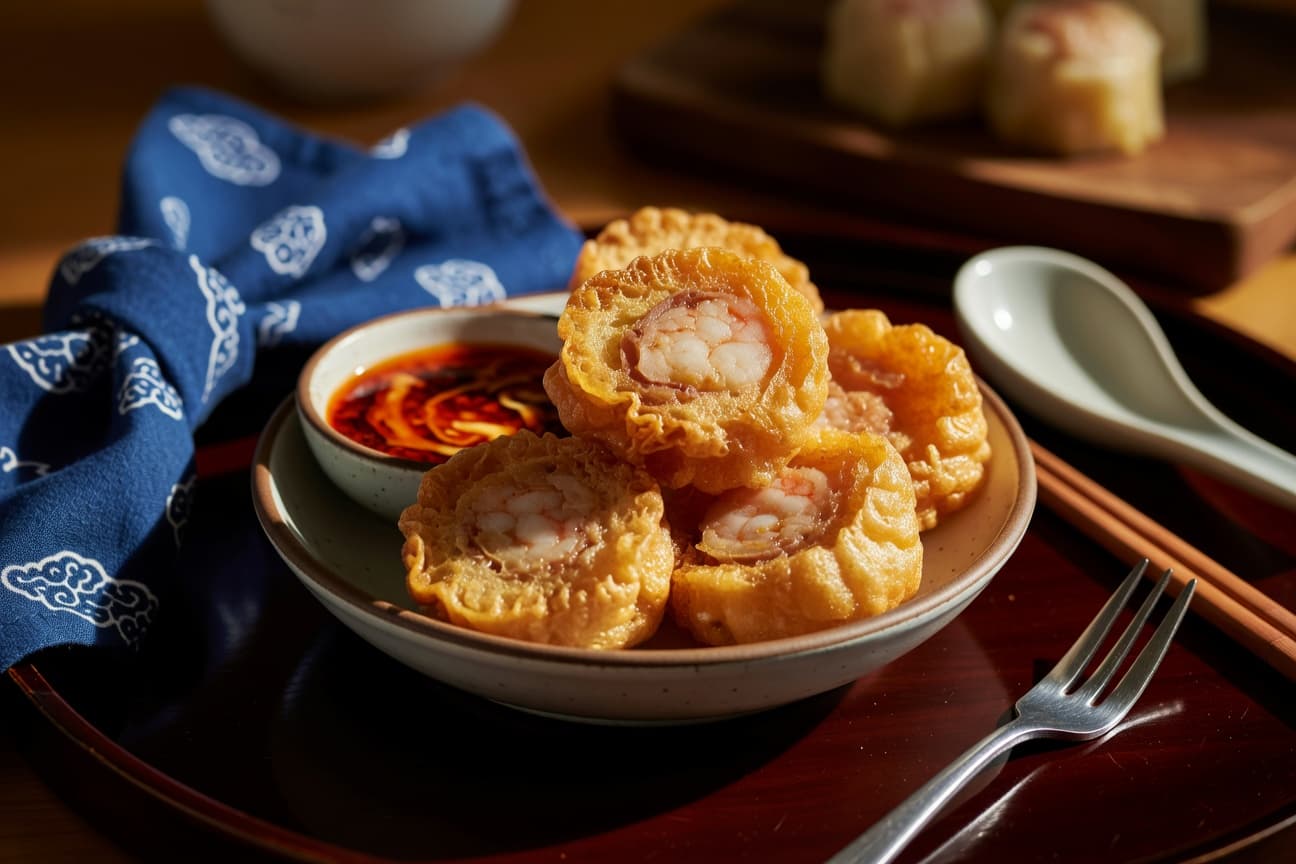
The best meals aren't measured by perfection — they're measured by the memories made around the table.
I'll be honest — the first time I made shrimp toast, I wasn't standing over a wok in some professional kitchen. I was right here in Tampa, on a Saturday afternoon, trying to bring a little dim sum magic home for my family. My grandmother Hellon always said the best food comes from curiosity and love, and this recipe has both in spades. Crispy, golden, loaded with savory shrimp paste and finished with a dipping sauce that wakes everything up — this is the kind of appetizer that disappears before you can even set the plate down. It's quick enough for a weeknight but special enough to anchor a whole spread. Fire up the oil, and let's get into it.
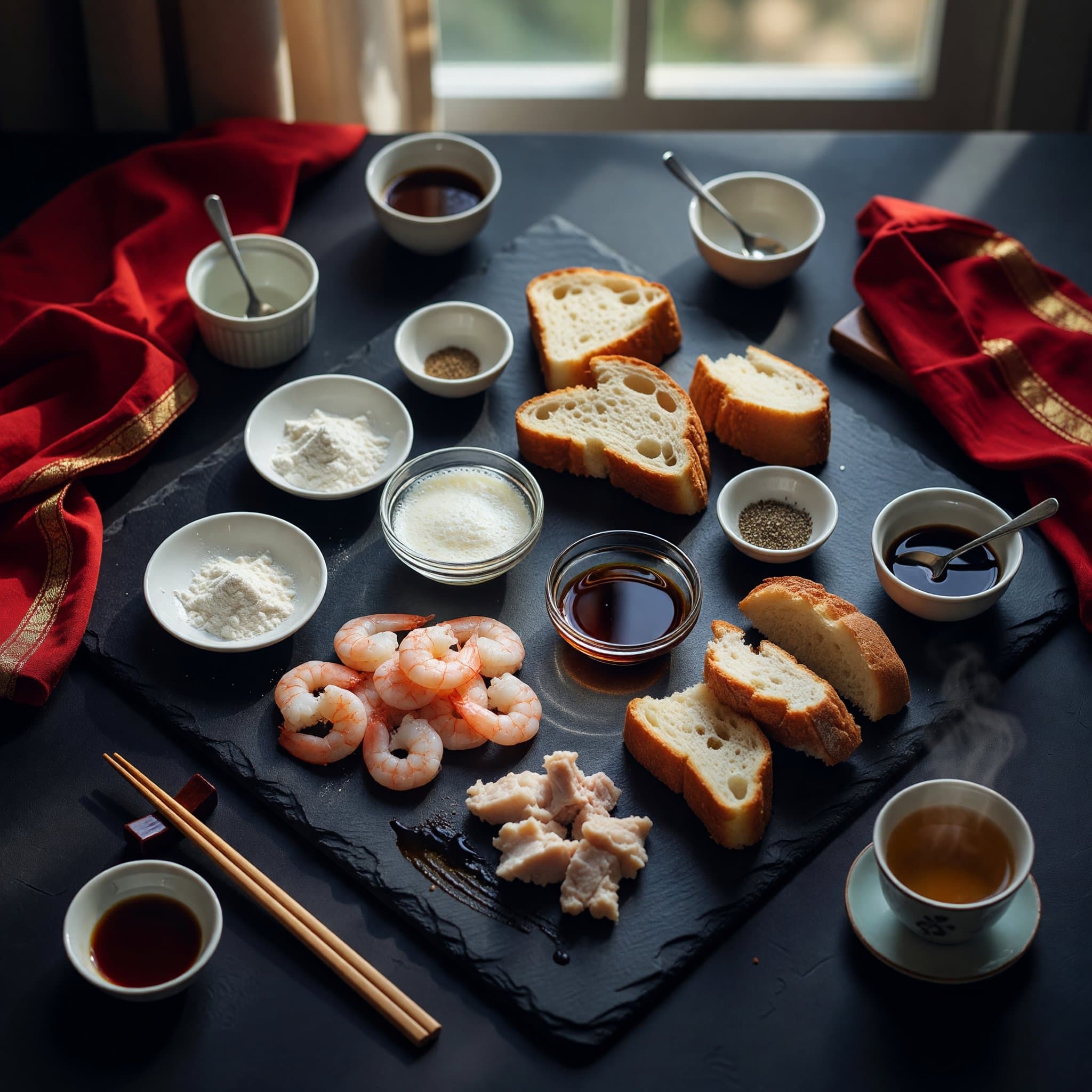
The Story Behind the Toast
Shrimp toast — or ha tost as it's known in Cantonese kitchens — has been a dim sum staple for generations. It's one of those dishes that looks like it belongs in a restaurant but is completely achievable at home once you understand what's actually happening. The genius is in the paste: raw shrimp ground with a little pork fatback, seasoned simply, spread onto bread, and fried until the outside is shatteringly crisp while the inside stays tender and juicy. The sesame seeds aren't just decoration — they form a crust that insulates the shrimp paste from the hot oil, giving it time to cook through without burning. Every element earns its place. That's the kind of cooking I was raised on.
Three things separate great shrimp toast from greasy, dense disappointment. Here's what actually matters.
Paste texture is everything
Chop the shrimp to a coarse paste — not a puree. The pork fat needs to stay distributed in small pockets so it renders during frying and keeps the paste moist. Overprocess it and you lose that springy bite.
Salt the shrimp early, then drain
A short salt rest on the raw shrimp dissolves myosin and tightens the protein structure, which means the paste holds together under hot oil instead of weeping moisture and steaming from the inside. Salt at least 40 minutes out, then pat dry before grinding.
The dipping sauce is the acid correction
The paste itself skews fatty and savory with almost no sour. The sweet chili sauce and lime juice in the dip aren't just garnish — they're doing the brightness work the toast can't do for itself. Don't skip the lime.
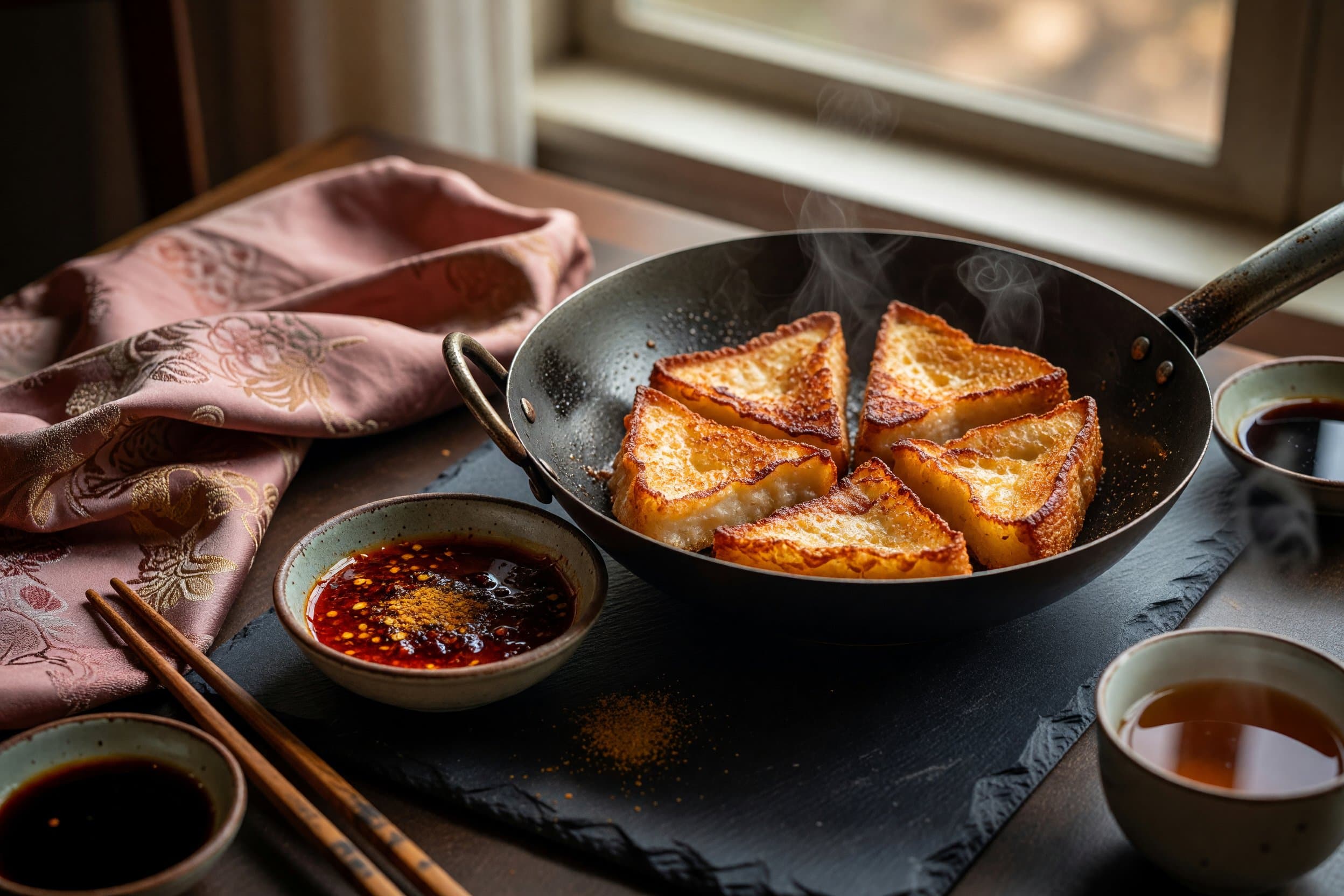
Getting the Paste Right
The paste is the whole game, and it comes down to two things: texture and moisture control. You want a coarse paste — not a smooth puree. The pork fatback should stay in small pockets throughout the shrimp so it renders during frying, keeping the paste moist and giving you that springy, satisfying bite. Overprocess it and you'll end up with something dense and rubbery. Use a sharp knife or a few short pulses in a food processor, and stop while there's still some texture. The egg white and cornstarch work together as binders, keeping the paste anchored to the bread through the fry. Spread it about a quarter-inch thick — even, edge to edge. Thick patches won't cook through before the bread gets too dark. Press the sesame seeds in firmly so they don't scatter in the oil, then fry sesame-side down first to lock in that crust before you flip.
There's a reason the recipe calls for salting the shrimp early — it's not just seasoning. Here's what's actually happening.
beneficial
Salting shrimp early dissolves myosin, tightening protein structure so the paste binds cleanly and holds moisture under frying heat rather than steaming apart.
Three moves make or break this recipe.
Three moves that make or break this dish — get these right and everything else follows.
Oil at 170–175°C (340–350°F). Any hotter and the bread darkens before the paste sets; any cooler and the toast absorbs oil. 2–3 minutes per side.
- Salt shrimp 40+ min ahead, pat completely dry before grinding into paste
- Spread paste thin and even — thick patches won't cook through before the bread burns
- Fry sesame-seed side down first to set the crust, then flip once
The Dipping Sauce Is Not Optional
I know it's tempting to skip the sauce and just eat the toast straight — and honestly, it's good enough to eat plain. But the dipping sauce is doing real work here. The shrimp paste is rich, fatty, and deeply savory. It needs something to cut through that richness and add a little brightness. Sweet chili sauce brings the sweetness and a gentle heat, the lime juice adds the acid punch that lifts the whole bite, and the cilantro brings a fresh, grassy note that plays beautifully against the toasted sesame. Together, they're the counterweight the toast needs. Don't skip the lime — even that single teaspoon makes a noticeable difference. The dip turns a great snack into a complete flavor experience.
Shrimp is the star here — see what pairs best with it across the whole recipe.
ShrimpSweet Chili Sauce
Score 86Both carry fresh notes.
ShrimpSesame Oil
Score 85Both carry fresh and earthy notes.
ShrimpWhite Pepper
Score 84Both carry fresh notes.
Make It Your Own
Once you've got the base technique down, this recipe is wide open for riffing. Swap the shrimp for crawfish if you're in Louisiana territory — the flavor profile is close enough that nobody will notice the difference, and it's a fun Southern spin on a Cantonese classic. If your family runs heat-sensitive, swap the sweet chili sauce for tonkatsu sauce in the dip — you keep the sweet-savory balance without the fire. For a heartier bite, try pita or naan instead of sandwich bread; the denser crumb holds up well to the paste and adds a slightly chewier texture. And if you want to stretch this into a bigger spread, double the recipe — these go fast.
- Contains
- egg, wheat, gluten, soy, crustacean shellfish, sesame
- Fits
- Dairy-Free, Nut-Free
Substitutions that still taste like the recipe.
Need to swap something out? Here are the best ingredient substitutions, ranked by how well they fit this recipe.
- crawfish
More savoury depth.
- squid
Brings toasted and browned notes; tougher, needs longer cooking.
- tuna
More savoury depth; sturdier.
- hot sauce↓ sweet↑ spicy
- pico de gallo↓ sweet↓ spicy
Lacks the fiery notes.
- sriracha↓ sweet↑ spicy
Lacks the fresh and grassy notes; drier; sharper.
- naan
Brings creamy and coconutty notes.
- pita
- focaccia
- curry leaves
Sturdier.
- rice paddy herb
- chervil
Brings fruity notes.
This is a protein-forward appetizer — strong on shrimp and whole grains, lighter on vegetables and fruit. Here's an honest look at the numbers.
Food groups measured against a 2,000-calorie day
- ✓ Covers 76% of your daily protein
- • No dairy in this recipe
- • No vegetables in this recipe
- • No fruits in this recipe
- • No whole grains in this recipe
Strong in protein, light on dairy and whole grains.
- Produce
- $5.45
- Bakery
- $0.82
- Dairy & Eggs
- $1.77
- Meat & Poultry
- $5.32
- Seafood
- $7.99
- Nuts & Seeds
- $0.44
- Condiments & Sauces
- $0.44
- Oils & Vinegars
- $1.27
- Spices & Seasonings
- $0.57
- Baking
- $0.06
Shrimp toast is one of those recipes that reminds me why I cook — it's simple enough to pull off on a weeknight, impressive enough to put in front of company, and the kind of thing my kids will remember long after the plate is empty. There's something about the sound of that sizzle when the toast hits the oil, the smell of sesame and shrimp filling the kitchen, that feels like a celebration even on an ordinary Tuesday. That's what good food does. It turns a regular evening into something worth remembering. Fire up something good today.
The Quarterly
Get the next Quarterly from Dan Cooks
Seasonal recipes, notes, and the issue links worth saving.
Comments